 How-to
How to Choose a Reliable Basement Waterproofing Contractor
Last Updated: November 21, 2026
Quick Summary
To choose a reliable basement waterproofing contractor, verify the license, insurance, and bonding directly with the issuing authorities, then compare written proposals line by line. Each bid should state the diagnosed water source and the evidence used, so you can match scope to scope before signing.
- Call the insurer to confirm the policy is active and covers subcontractors.
- Ask where water enters and how the contractor confirmed it.
- Confirm every bidder diagnoses the same water source before comparing prices.
- Watch for lump-sum prices with no breakdown by material and labor.
- Ask for a lien waiver or release at final payment.
Table of Contents
- Why a Reliable Basement Waterproofing Contractor Matters
- Vetting Credentials: Licensing, Insurance, and Bonding
- Key Basement Waterproofing Contractor Questions to Ask
- Reading Basement Waterproofing Estimates and Comparing Proposals
- What Drives Basement Waterproofing Cost and What to Watch For
- Understanding Your Basement Waterproofing Warranty
- Request Your Free Basement Waterproofing Estimate
- Frequently Asked Questions
Why a Reliable Basement Waterproofing Contractor Matters
Water intrusion is patient. It finds the hairline foundation crack you never noticed, seeps behind the drywall, and starts feeding mold long before you smell anything. Choosing a basement waterproofing contractor is not a shopping decision, it is a risk decision, and the wrong pick costs far more than the original quote.
The stakes are real. A failed waterproofing job means repeated water damage, ruined finishes, and possible mold remediation on top of the original repair.
Below, we break down exactly how to vet a contractor, read a proposal, and spot the warning signs before you sign.
Vetting Credentials: Licensing, Insurance, and Bonding
Start with paperwork, not personality. A licensed contractor holds a current home improvement license, carries general liability insurance, and is bonded. Ask for the license number and verify it directly with the issuing authority.
A common mistake is accepting a certificate of insurance at face value. Call the insurer and confirm the policy is active and covers subcontractors. If a crew member is injured on your property and the contractor is uninsured, that liability can land on you.
Use this checklist before any contractor steps into your basement:
- Current home improvement license number, verified with the issuing office
- General liability insurance certificate, confirmed active with the insurer
- Workers' compensation coverage for every crew member on site
- Bonding documentation in the contractor's legal business name
- Business registration matching the name on the contract
If any item is missing or vague, walk away. A contractor who cannot produce clean paperwork before the job will not produce it after.
Key Basement Waterproofing Contractor Questions to Ask
The right questions separate a diagnostician from a salesperson. A reliable contractor will inspect, explain, and then price the work. A salesperson will price first and explain only what supports the number.
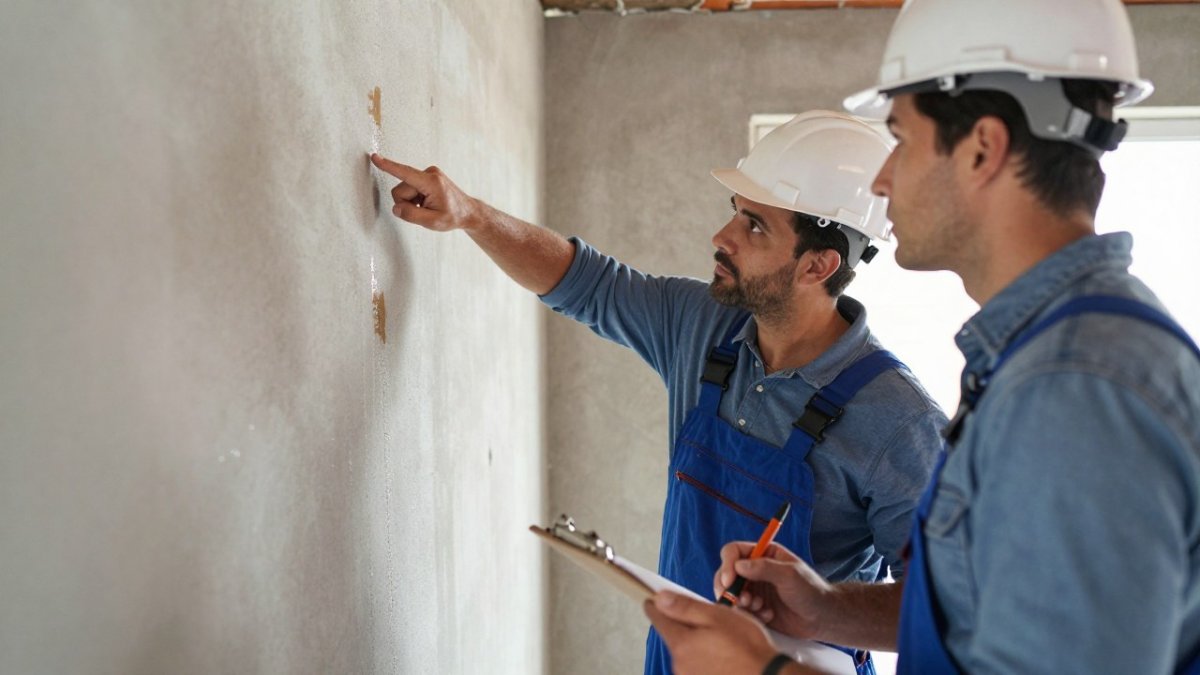
Ask these during the on-site estimate:
- Where exactly is the water entering, and how did you confirm it?
- Are you treating the symptom or the source?
- What waterproofing method fits this basement, and why that one over the alternatives?
- Who pulls the permits, and who handles inspections?
- Which crew does the work, your employees or subcontractors?
- What does the warranty cover, and who honors it if you close?
Watch for high-pressure sales tactics: same-day discounts, scare language about structural collapse, or a refusal to put the diagnosis in writing. A contractor who rushes you is managing a quota, not your foundation. For quick answers to common service questions before you commit, our FAQs cover the basics.
Reading Basement Waterproofing Estimates and Comparing Proposals
A written estimate is only useful if you can compare it line by line. Most homeowners compare the bottom number and pick the lowest. That is exactly backwards, because two bids for the same basement often describe two different jobs.
Before you compare a single number, confirm every contractor is diagnosing the same problem. Water in a basement can come from four very different sources, and they produce nearly identical symptoms:
- Surface drainage. Gutters that dump beside the foundation, soil that slopes toward the house, or a failed downspout extension push roof water against the wall. The tell is water that appears after heavy rain and clears between storms.
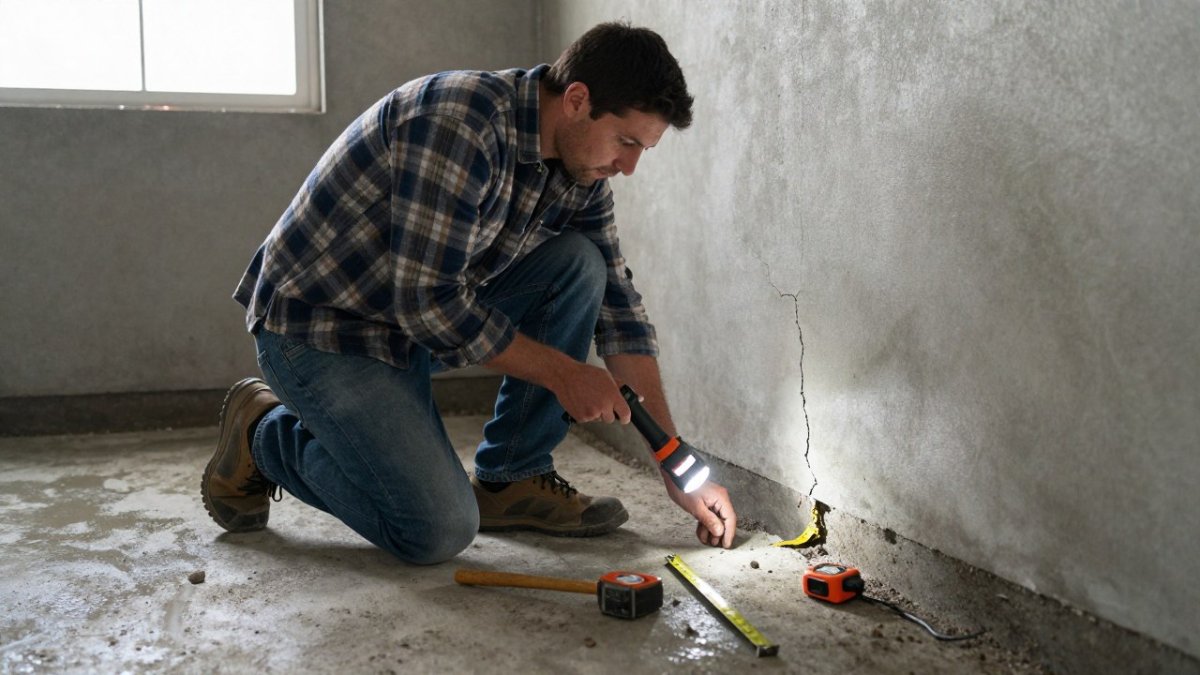
- Foundation cracks and failed exterior membrane. A vertical or stair-step crack in the wall lets water through the concrete itself. The tell is a damp patch or efflorescence (the white mineral powder) along a specific crack line.
- Plumbing leaks. A supply line, drain, or slab leak can mimic groundwater. The tell is water that appears regardless of weather and may carry a meter movement when no fixtures are running.
- Groundwater and hydrostatic pressure. A high water table pushes water through the wall-floor joint or up through the slab. The tell is water that returns within hours of a rain and often pools at the cove joint.
A contractor who recommends a drainage system before identifying which of these is happening is guessing. Ask each bidder what evidence they used, a moisture meter reading, a visual trace of the crack, a hose test, or a check of the sump pit, and write that diagnosis into the proposal.
Here is how to compare two or more bids side by side:
- Match scope to scope. Confirm both proposals address the same square footage, the same wall sections, and the same water source. A lower bid often just covers less work.
- Isolate the diagnosis. Each proposal should state the root cause in writing. If the diagnosis differs between bids, get a third inspection before choosing.
- Compare materials and method. Interior drainage systems, exterior waterproofing, sump pumps, and French drains solve different problems. Line up what each bid actually installs, including the specific equipment named in each proposal.
- Check the exclusions. Look for what is not covered: drywall repair, disposal, permit fees, or finish restoration. These gaps explain most "surprise" costs later.
- Score the warranty terms. Length, transferability, and who services the claim matter more than the headline years.
Use this checklist to score each proposal on the same scale:
- Written diagnosis naming the water source and the evidence used
- Method and materials specified by brand or specification
- Labor broken out from materials
- Exclusions listed explicitly (drywall, disposal, permits, restoration)
- Permit responsibility and inspection schedule stated
- Cleanup and debris removal included
- Warranty length, transferability, and service contact in writing
- Payment schedule tied to milestones, not to signing
| Method | Best For | Watch Out For |
|---|---|---|
| Interior drainage system | Water entering at the wall-floor joint | Does not stop wall seepage alone |
| Exterior waterproofing | Failed exterior membrane, major seepage | Higher disruption, excavation required |
| Sump pump | Collected water needing removal | Depends on power, needs backup |
| French drain | Redirecting surface and groundwater | Useless if the source is misdiagnosed |
| Crack injection | Isolated wall cracks | Does not address the cove joint or slab |
A proposal that cannot survive this comparison is not a real proposal. It is a number. Watch out: if a bidder refuses to put the diagnosis in writing or will not itemize labor and materials, treat the missing detail as a warning about how the job will be run.
What Drives Basement Waterproofing Cost and What to Watch For
Basement waterproofing cost depends on the water source, the method, the linear footage involved, and access to the foundation. Excavation, interior drainage, and sump installation carry different labor and material demands, so no honest contractor quotes a flat figure before inspecting.
What most guides miss is that the estimate itself tells you who you are hiring. Red flags in a cost estimate include:
- A single lump-sum price with no breakdown by material and labor
- No mention of permits or inspection responsibility
- A quote that undercuts every other bid by a wide margin
- Pressure to sign before you have compared proposals
- Verbal promises that never appear in the written scope
We recommend asking each contractor to walk you through their price line by line. If they cannot explain what drives the number, they cannot defend the work either.
Understanding Your Basement Waterproofing Warranty
A basement waterproofing warranty is where good contractors separate from the rest. Read the actual document, not the brochure. Confirm what is covered, how long, whether it transfers to a future owner, and who performs the service call.
A long warranty term means little if the company is not around to honor it. Ask how long the business has operated and request the service agreement in writing. If waterproofing fails despite a warranty, speed matters, which is why understanding the fast water damage restoration timeline helps you act before secondary damage spreads.
A warranty is only one part of the paperwork that protects you. Before you sign anything, confirm the contract and permit terms:
- Permits. Most interior drainage and sump installations require a permit and an inspection. The contract should name who pulls the permit and who pays for it. If a contractor says a permit is not needed, ask the local building department to confirm in writing.
- Payment schedule. Be cautious of a contract that asks for most of the money upfront or in cash only.
- Change orders. Any added work should be documented in a written change order signed by both parties before the work is done. Verbal approvals are how budgets drift.
- Cancellation and lien terms. Ask for a lien waiver or release at final payment so subcontractors and suppliers cannot file a lien against your home.
- Proof of insurance at signing. Keep a current certificate of insurance and workers' compensation coverage on file with the signed contract, not just at the estimate stage.
Watch out: a warranty that excludes the most likely failure, such as water returning through the same cove joint, is not protection. Ask the contractor to point to the exact clause that covers your diagnosed problem, and get that answer in writing before the first payment.
Request Your Free Basement Waterproofing Estimate
The hardest part of this process is not the research, it is finding a contractor who will put the diagnosis, the scope, and the warranty in writing and then stand behind it. Allied Construction Corp is a licensed home improvement contractor serving Nassau, Suffolk, and all five boroughs, handling both remodeling and professional water damage restoration. Get started with Allied Construction Corp and request your free basement waterproofing estimate today.
A failed waterproofing job rarely announces itself. It shows up months later as a damp smell, a bubbling baseboard, or a stain that keeps returning. The fix starts with choosing a contractor who diagnoses before pricing. Allied Construction Corp brings licensed credentials and restoration expertise to the basements it works on. Get started with Allied Construction Corp and request your free basement waterproofing estimate, or contact us directly to start the conversation.
Frequently Asked Questions
How many estimates should I get for basement waterproofing?
Get at least three written estimates from licensed basement waterproofing contractors. Three bids give you a realistic price range and reveal how each contractor diagnoses the problem. Compare not just the total, but the line items: excavation, drainage, sump pump, and warranty terms. If one bid is dramatically lower, ask what is excluded. Multiple estimates also protect you from high-pressure sales tactics, since you can walk away and compare without committing on the spot.
How can I tell if a basement waterproofing contractor is legitimate?
Verify the contractor's license number with your state or local licensing board, and ask for a certificate of insurance showing general liability and workers' compensation coverage. Confirm bonding, then check complaint history with the Better Business Bureau and your local consumer protection office. Ask for references from jobs completed at least two years ago, and look up customer reviews across multiple platforms. A legitimate basement waterproofing contractor will supply all of this without hesitation and put the license number on the written proposal.
What should a basement waterproofing warranty cover?
A solid basement waterproofing warranty should state the coverage period in writing, define what counts as a covered failure (water seepage, system malfunction, workmanship defects), and clarify whether it covers labor, materials, or both. Ask whether the warranty is transferable if you sell the home and whether it depends on maintaining a service agreement. Get the warranty terms attached to your contract before signing, and confirm the company has a business history long enough to honor a long-term guarantee.
What is the average cost to waterproof a basement?
Basement waterproofing cost depends on the method, the size of the space, and the source of water intrusion. Interior drainage systems, exterior waterproofing, sump pumps, and crack injection all carry different price ranges, and a proper diagnosis must come before any number is meaningful. Rather than comparing quotes against a generic average, request itemized written estimates from several licensed contractors and compare scope, materials, and warranty side by side. Pricing varies by property, so ask each contractor to justify their figures.