 How-to
7 Steps to Prevent Mold in Finished Basement Walls
Quick Summary
Preventing mold in finished basement walls means controlling moisture, because basements absorb water from the soil and that moisture gets trapped behind drywall or paneling. Keep relative humidity at or below 50 percent, seal foundation cracks, improve drainage, and use moisture-resistant materials with a proper air gap.
- Keep basement relative humidity at 45 to 50 percent, measured with a hygrometer.
- Check the wall surface temperature with an infrared thermometer, since walls run cooler than the air.
- Seal foundation cracks and grade soil to slope at least 6 inches over the first 10 feet.
- Use closed-cell foam or rigid board over concrete rather than polyethylene sheeting against it.
- Vinegar can kill some surface mold but does not reliably stop regrowth when moisture stays high.
Table of Contents
- Why Finished Basement Walls Grow Mold
- Controlling Basement Humidity Levels With a Dehumidifier and Hygrometer
- Sealing Foundation Cracks and Managing Foundation Drainage
- Choosing Vapor Barriers, Membranes and Wall Materials That Resist Mold
- Preventing Mold in Finished Basement Walls DIY: A Step-by-Step Process
- How to Get Rid of Mold in Basement Concrete Walls and Whether Vinegar Works
- Mold in Basement Removal Cost and When to Call a Professional
- Scheduling a Moisture Inspection With Allied Construction Corp
- Frequently Asked Questions
Why Finished Basement Walls Grow Mold
Mold in finished basement walls almost always comes down to moisture trapped behind the finish. Basements sit below grade, so they absorb moisture from the soil around them, and that moisture pushes through concrete and into the space. Once drywall or paneling covers that wall, the moisture has nowhere to go, and mold gets a place to grow.
This is why a finished basement can look clean for years and then develop a musty smell and dark spots behind the paint. Older homes often have concrete walls that were never built to handle the moisture load of a finished space.
Mold needs three things to grow: moisture, a food source and a temperature range it likes (the EPA). Drywall paper, wood framing and paint all provide food. The moisture is the variable you can actually control, and that is where prevention starts.
Controlling Basement Humidity Levels With a Dehumidifier and Hygrometer
Relative humidity is the number that decides whether mold grows on your finished wall, but the number alone is not enough. Mold germinates when the relative humidity at the wall surface stays high for days, and the wall surface is almost always colder than the room air.
Set the target and measure it correctly. Keep the basement at or below 50 percent relative humidity, and aim for 45 to 50 percent. Place it on a shelf away from the wall so it reads room air, then take a second reading with a handheld infrared thermometer pointed at the wall surface.
Size the dehumidifier by its pint rating, not by the box. Dehumidifiers are rated in pints of water removed per 24 hours at a standard test condition. Dehumidifier capacity should be matched to how damp the basement is and how large it is, so check the unit's pint rating against the size and moisture level of your space.
Run it where the moisture is. Put the dehumidifier near the dampest wall or the floor drain, not in the middle of the finished room. Keep it at least 6 to 12 inches from the wall so air can move through the coil.
Understand what the dehumidifier cannot fix. A dehumidifier dries the air. It does not stop water from wicking through concrete, and it cannot dry a wall assembly that has no air gap or vapor control behind the drywall.
- Check the hygrometer and the wall-surface temperature weekly during humid months
- Run the dehumidifier continuously in summer and during heavy rain
- Clean the filter monthly so airflow stays strong
- Keep the basement door closed so you are drying the basement, not the whole house
Watch out: A dehumidifier that drains into a floor drain can back up if the drain is clogged or the hose kinks, and the water ends up on the floor next to the wall, the exact condition you are trying to prevent.
The table below summarises the key humidity targets and checks covered in this section.
| Item | Value | Note |
|---|---|---|
| Target relative humidity | 45 to 50 percent | Keep at or below 50 percent |
| Wall surface temperature gap | More than about 5 degrees cooler than air | Moisture condenses there first |
| Dehumidifier sizing | Pint rating per 24 hours | Match to size and dampness |
| Dehumidifier placement | 6 to 12 inches from wall | Allows air to move through the coil |
| Weekly checks | Hygrometer and wall temperature | Especially during humid months |
| Filter cleaning | Monthly | Keeps airflow strong |
| Persistent high reading | Above 55 percent | Signals an active moisture source |
Sealing Foundation Cracks and Managing Foundation Drainage
Water that gets through foundation cracks and poor drainage is the most common source of wall moisture. Sealing and drainage work together, so address both.
Inspect the foundation walls from the outside once a year. Look for cracks, gaps around pipes, and soil that slopes toward the house. Gutters that dump water near the foundation make the problem worse.
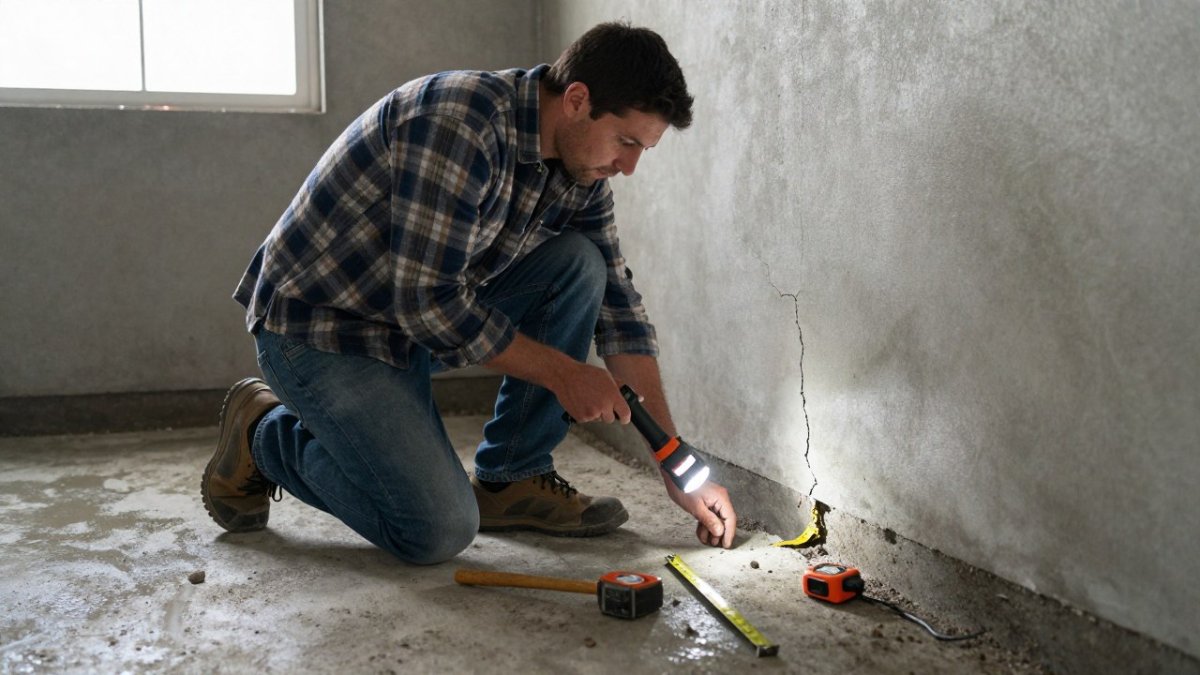
For interior cracks, use a hydraulic cement or an epoxy injection sealed according to the product directions. Hairline cracks that only sweat can often be sealed from inside. Cracks that leak or show movement need a structural assessment before any sealing.
Good exterior drainage keeps water away from the wall. Grade the soil so it slopes at least 6 inches over the first 10 feet away from the house. Extend downspouts several feet from the foundation. Interior drains and sump pumps handle water that still reaches the slab. Keeping runoff away from the foundation is a key part of mould prevention tips for homes exposed to damp coastal conditions.
Choosing Vapor Barriers, Membranes and Wall Materials That Resist Mold
The materials behind and inside your finished wall decide how much moisture the wall can tolerate. Most guides stop at "use mold-resistant drywall." The real decision is how the layers stack, because a wall that traps moisture will grow mold no matter what the drywall is made of.
Vapor barriers vs. vapor retarders. A vapor barrier (often polyethylene sheeting) blocks nearly all vapor movement. A vapor retarder slows it. You can see how this business approaches basement remodeling projects that use moisture-resistant finishes.
Closed-cell vs. open-cell foam. Closed-cell spray foam has a higher R-value per inch, resists water, and acts as both insulation and a vapor retarder. Open-cell foam is softer, cheaper per inch, and more vapor-permeable, it can absorb and hold water if the wall gets wet.
Wall materials. Moisture-resistant drywall, often labeled green board or purple board, resists moisture better than standard drywall. Mold-resistant paper and paints add another layer of protection. Use a latex-based or moisture-resistant primer on all surfaces.
Framing and the air gap. Pressure-treated lumber or steel studs resist rot. Leave a small gap between the framing and the concrete so air can circulate, and keep the bottom plate off the slab with a sill gasket or a pressure-treated plate. Steel studs do not feed mold, but they conduct cold, so insulate between them.
Flooring and finishes. Carpet over a concrete slab is the highest-risk finish in a basement because it holds moisture against the floor. Luxury vinyl plank, tile, and sealed concrete are more forgiving. If you want carpet, use a moisture-resistant pad and test the slab first.
Watch out: Wood framing placed directly on a concrete slab absorbs moisture and can rot or grow mold. Use a sill gasket or a pressure-treated plate, and never bury the bottom of the drywall in the slab, leave a small gap and seal it with a flexible sealant.
Preventing Mold in Finished Basement Walls DIY: A Step-by-Step Process
Follow these steps in order. Each one builds on the last.
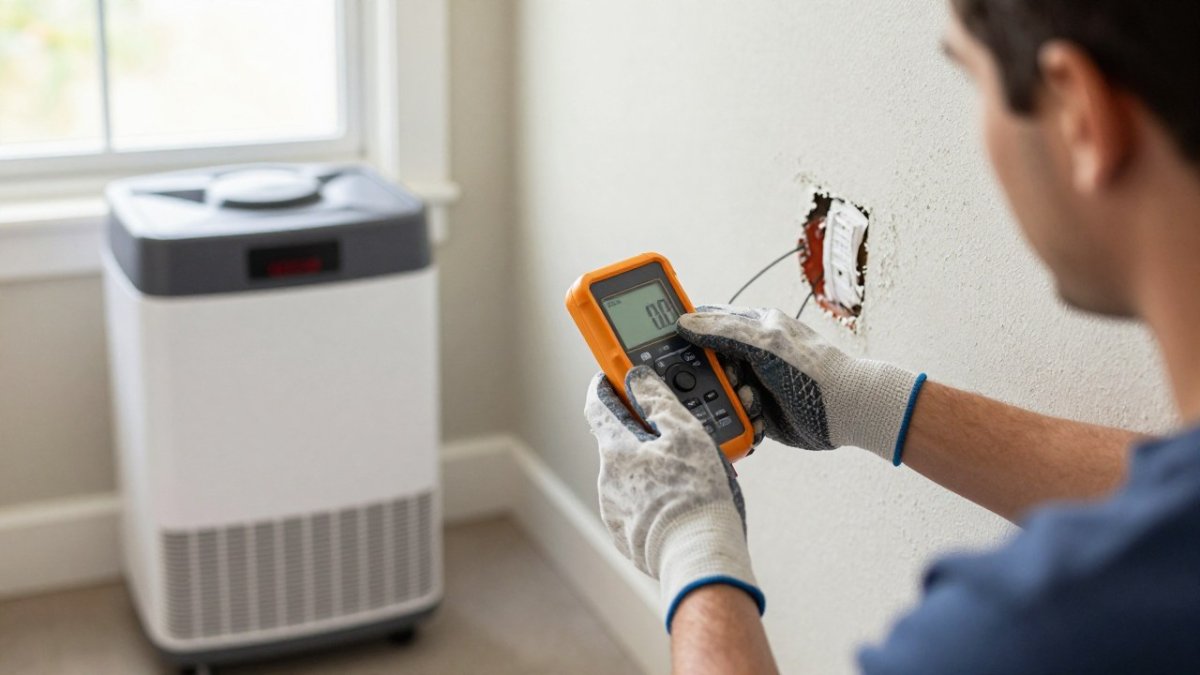
- Measure the moisture. Place a hygrometer in the room and confirm the humidity is below 50 percent.
- Inspect the concrete. Look for cracks, efflorescence and damp spots. Mark any areas that feel cold or sweat.
- Seal the cracks. Fill cracks with the right sealant and let it cure fully.
- Apply the barrier. Install rigid foam board or closed-cell spray foam, sealing seams with foil tape.
- Frame with an air gap. Use treated lumber or steel studs with a small gap at the floor and the wall.
- Choose moisture-resistant finishes. Install mold-resistant drywall and apply a mold-resistant primer and paint.
- Run the dehumidifier and monitor. Keep humidity at 45 to 50 percent and check the hygrometer weekly.
Expected result: A wall that stays dry to the touch and shows no musty odor after the first humid season.
How to Get Rid of Mold in Basement Concrete Walls and Whether Vinegar Works
If mold already grows on concrete, remove it before you seal anything. Mold on concrete is usually surface growth, but it still needs proper cleaning.
Vinegar is a common home remedy. It can kill some surface mold on non-porous concrete, but it does not reliably kill mold roots and does not stop regrowth if the moisture stays. Many people find vinegar works for light spots and fails on heavy growth. You can read a deeper look at how hidden mold is identified and handled.
For small areas, scrub with a detergent solution, let the wall dry completely, then fix the moisture source. For larger areas, a professional should assess the problem. Wear an N95 respirator, gloves and eye protection during any cleaning, and keep the work area ventilated (the EPA).
Mold in Basement Removal Cost and When to Call a Professional
Removal cost depends on the size of the area, how deep the growth goes, and whether mold has spread behind drywall or into the framing. Small surface cleanup is a modest job. Large or hidden mold often requires demolition, containment and drying, which raises the cost considerably. Learn whether the business offers water damage restoration that addresses mold.
Call a professional if the affected area covers more than about 10 square feet, if mold sits behind finished walls, or if anyone in the home has breathing problems or allergies. Mold that returns after cleaning also signals a moisture problem that needs expert diagnosis.
For a clear picture of cost and scope, contact Allied Construction Corp to talk through your situation. Pricing depends on the size of the affected area, the materials involved and the work needed, so we give a quote after looking at the space.
Scheduling a Moisture Inspection With Allied Construction Corp
If you have a finished basement with signs of moisture or mold, a moisture inspection shows where the water is coming from and what needs to change. Allied Construction Corp serves homeowners and property owners across Nassau and Suffolk counties and all five boroughs, and we start with an inspection before recommending any work.
Use our Request Estimate form to schedule an inspection. Describe the symptoms you see and we will follow up to arrange a visit. Every basement is different, so an inspection gives you a plan based on what is actually happening in your home.
Request Free Estimate with Allied Construction Corp to schedule a moisture inspection for your finished basement.
Frequently Asked Questions
Does vinegar kill mold on basement walls?
White vinegar can kill some surface mold on non-porous materials such as concrete, tile and sealed masonry, and it is a low-cost option for small patches. It does not reach mold roots inside drywall, wood framing or porous concrete, so the growth often returns. Vinegar also does not fix the moisture source, which is the real cause. If the mold covers more than a small area or sits behind finished walls, clean the area with a stronger approach and address the water or humidity problem first.
Can I get rid of basement mold myself?
Small surface mold patches, roughly under 10 square feet on hard, non-porous surfaces, are often manageable for a homeowner who wears gloves, a N95 respirator and eye protection. Wipe with a detergent solution, dry the area fully and fix the moisture source. Larger growth, mold behind drywall, or mold that comes with a musty odor and recurring spots usually calls for a professional assessment, because hidden growth is hard to judge without opening the wall.
How can you prevent mold behind finished basement walls?
Keep relative humidity at or below 50 percent, verify it with a hygrometer, and control condensation. Install a vapor barrier on the warm side of the wall assembly, use mold-resistant drywall and seal foundation cracks and penetrations. Make sure foundation drainage, gutters and the sump pump direct water away from the house so hydrostatic pressure does not push moisture through the wall.
Will homeowners insurance cover mold in the basement?
Most standard homeowners policies cover mold only when it results from a covered sudden event, such as a burst pipe, and they often exclude mold caused by long-term leaks, poor maintenance or high humidity. Coverage varies by policy and carrier, so review your declarations page and ask your insurer directly. Document the damage and any repairs with photos and receipts, and report the problem promptly.