 How-to
Contractor Abandoned Your Project? Steps to Take Now
Last Updated: November 6, 2026
Quick Summary
If a contractor abandoned your project, secure the site, stop further payments, and document everything with dated photos, a written timeline, and a certified-mail status request giving 7 days to respond. Then pursue a demand letter, bond claim, licensing complaint, or civil action as your contract and state rules allow.
- Treat it as abandonment when there is no contact for 7 to 10 days and no documented reason for the pause.
- Send one written status request by email and certified mail, and note the delivery date.
- Do not remove the contractor's tools or materials from the site, which can create a separate dispute.
- A subcontractor or supplier unpaid by the general contractor can file a mechanic's lien against your property.
- Report damage to your insurer and photograph it before you hire a replacement contractor.
Table of Contents
- Is It Abandonment or Just a Delay? How to Tell the Difference
- How Long Does a Contractor Have to Finish a Job?
- Secure the Site and Stop Further Payments
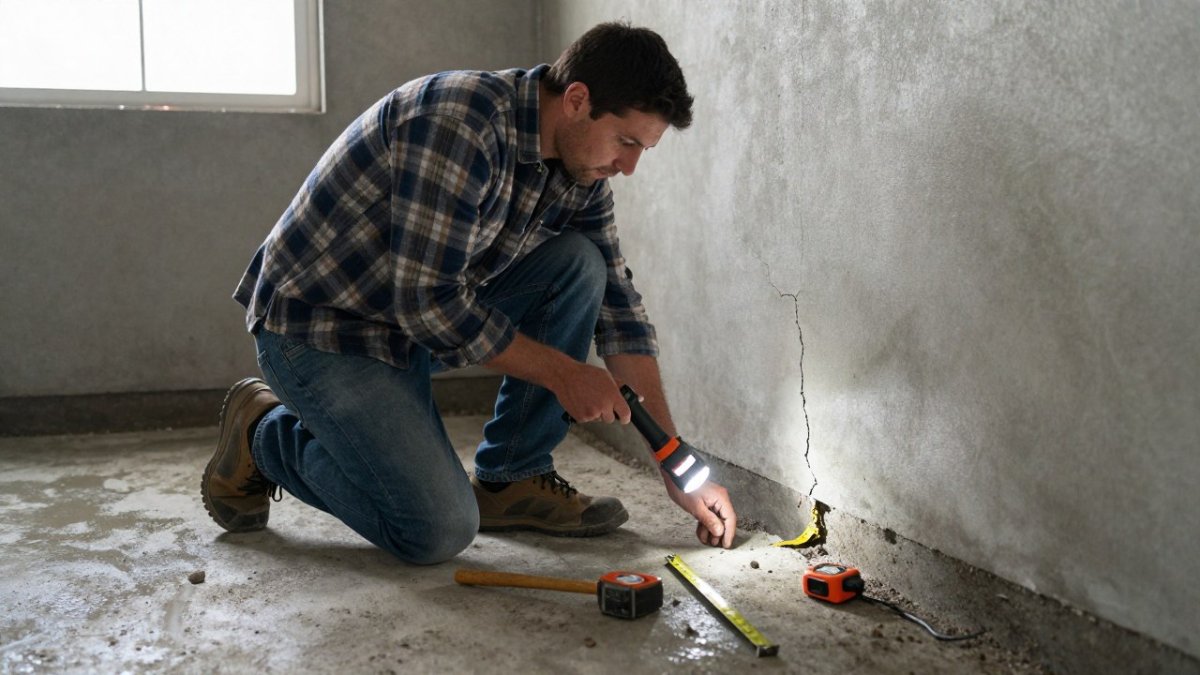
- How to Document Unfinished Contractor Work
- What to Say to a Contractor Who Abandoned a Project
- Your Legal and Financial Options After a Contractor Abandoned the Job
- Hand Off to a Replacement Contractor: Checklist Before You Hire
- Request a Free Estimate to Finish Your Renovation
- Frequently Asked Questions
Is It Abandonment or Just a Delay? How to Tell the Difference
Walking off the job is not the same as falling behind.
Getting that call wrong costs money either way: accusing a slow contractor of abandonment can trigger an unnecessary fight, while waiting too long on a real walk-off lets the damage compound.
Contractor abandonment is when a contractor stops work without notice, cuts off communication, and shows no plan to return before the job is done.
The Abandonment Decision Tree: Four Questions to Ask
Work through these in order. Each answer narrows the picture:
- Has anyone heard from the contractor in the last 7 to 10 days? No contact leans toward abandonment.
- Is the crew or any subcontractor still on site? An empty site for two weeks or more is a red flag.
- Has the contractor responded to a written status request? Silence after a written request is telling.
If you answer "no" to the first three and "no" to the fourth, treat it as abandonment and start protecting yourself today. If your questions are more basic, our FAQs page covers common contractor timeline and abandonment questions.
Excusable Delays vs. Abandonment: What Counts as a Real Reason
Not every pause is a walk-off. Common excusable delays include:
- Permit holds. The building department has not issued an inspection or permit; the contractor should show the application or written response.
- Material backorders. Ask for the order confirmation and expected ship date.
- Weather. Exterior work is weather-dependent; interior work generally is not, so a weather excuse on an indoor job deserves scrutiny.
A useful test: an excusable delay comes with a document, a date, and a resume plan; abandonment comes with silence. If the contractor cannot produce any of the three, treat the pause as abandonment for record-keeping purposes.
How to Build a Written Record Before You Decide
Before you label the situation, create a short paper trail that will support either conclusion:
- Send one written status request by email and certified mail, and note the delivery date.
- Log every call, text, and site visit in a dated spreadsheet.
- Photograph the site the day you first suspect a problem and again a week later.
Watch out: do not announce "you abandoned the job" in writing until you have at least one unanswered written request on file. A premature accusation can be used against you if the contractor later claims you prevented them from returning.
When the Answer Is "Delay," Not "Abandonment"
If the contractor responds with a real plan, a resume date, and supporting documents, you likely have a delay. In that case:
- Confirm the new completion date in writing, ideally as a signed change order or written amendment.
- Tie the next payment to a specific milestone rather than to a calendar date.
- Keep documenting, because a delay that stretches on with no progress can convert into abandonment later.
If a contractor answers the first written request but misses a promised resume date and then goes silent, that second silence can be useful evidence.
Work through these four questions in order to tell a walk-off from a delay.
| Question | Answer pointing to abandonment | Answer pointing to delay |
|---|---|---|
| Has anyone heard from the contractor in the last 7 to 10 days? | No contact | Still reachable |
| Is the crew or any subcontractor still on site? | Empty site for two weeks or more | Crew still on site |
| Has the contractor responded to a written status request? | Silence after a written request | Responds in writing |
| Is there a documented reason for the pause? | No verifiable reason | Permit hold, materials delay, weather, change order |
How Long Does a Contractor Have to Finish a Job?
There is no universal answer. The deadline lives in your construction contract, not a general rule. Some contracts set a fixed completion date; others use "substantial completion" language or tie the schedule to milestones.
Check three things in your contract:
- The stated completion date or duration
- Any extension clauses for weather, permits, or materials
- The notice requirements for delays
If the contract is silent on timing, a court would look at what is reasonable for the scope of work, a legal question, not something to guess at.
Secure the Site and Stop Further Payments
Safety comes before paperwork. An unfinished site can be hazardous, and you are the property owner. Do these in order:
- Lock the site and restrict access to anyone without your permission
- Shut off gas, water, and power to any open or exposed areas where safe to do so
- Photograph exposed wiring, open walls, and standing water before you touch anything
Many construction contracts tie payment schedules to milestones, and if the contractor abandoned the job, paying the next draw can weaken your position later. Before releasing any further payment, document the unfinished work and verify contractor workmanship on completed milestones so you can distinguish acceptable progress from defects.
Watch out: do not remove the contractor's tools or materials from the site. That can create a dispute of its own.
How to Document Unfinished Contractor Work
Documentation is the backbone of every claim you might make. Start the same day you suspect abandonment.

Build a file with these pieces:
- Photographs of every room, dated and labeled
- Written notes describing what is done and what is missing
- The contract, including all change orders and addenda
A simple spreadsheet works fine for the timeline: each date, what happened, and what proof you have.
What to Say to a Contractor Who Abandoned a Project
Send one clear written message before you escalate. Keep it short, factual, and free of emotion.
Here is a template you can adapt:
Subject: Status of work at [property address]
Dear [contractor name],
As of [date], work on our project has stopped and we have not heard from you since [date]. The following items remain incomplete: [list].
Please respond within 7 days with a written plan and date to resume work. If we do not hear from you, we will treat the contract as breached and pursue other options.
Sincerely, [your name]
Send it by email and certified mail so you have proof of delivery. Save the receipt.
If the contractor replies with a real plan, you may still have a delay situation. If the deadline passes with no answer, you have a documented demand for performance on file.
Your Legal and Financial Options After a Contractor Abandoned the Job
When a contractor abandoned your project, you have several paths, depending on your contract and your state's rules. This section explains what each remedy requires, plus the payment, lien, and insurance consequences.
The Remedies, and What Each One Actually Requires
- Demand letter. A formal written notice asking for a refund, completion, or a written plan. It creates a dated record and is often a prerequisite for a bond claim or licensing complaint, so send it by certified mail and email and keep the receipt.
- Contractor bond claim. Many licensed contractors carry a surety bond as a condition of licensure; the claim goes to the bonding company, not the contractor. You will typically need the contract, proof of payment, photos, the demand letter, and a written statement of loss. Deadlines are short and vary by state, so confirm them before filing.
- Licensing agency complaint. File with the board that issued the license. Complaints can lead to discipline but usually do not recover money directly; they work best paired with a bond claim or civil action.
State rules on licensing, bond claims, notice deadlines, and lien rights differ widely. Confirm the deadlines that apply where you live before you file anything. For help planning the money side of a restart, see our guide on avoiding surprise renovation costs.
Payments: Retainage, Disputed Invoices, and What to Stop
Stopping payments is the step most homeowners get wrong in both directions, paying too much and stopping too aggressively.
- Retainage. Many contracts hold back a percentage of each payment until completion. If the contractor abandoned the job, that retainage is often your strongest leverage; read the contract to confirm how it is released.
- Disputed invoices. Do not simply ignore an invoice you believe is inflated. Respond in writing, state exactly what you dispute and why, and pay any undisputed portion, silence can be read as acceptance in some contracts.
- Future draws. Stop the next scheduled draw until you have reviewed the payment terms and confirmed what work was actually completed.
Watch out: do not use the contractor's tools or stored materials as collateral or move them off site. That can create a conversion claim against you and complicate an otherwise clean case.
Liens: The Risk Most Homeowners Do Not See Coming
A subcontractor or supplier who was not paid by the general contractor can sometimes file a mechanic's lien against your property, even though you paid the general contractor in full. This is the single most expensive surprise in an abandonment case.
- Ask every subcontractor and supplier who worked on the site whether they have been paid, and get the answer in writing.
- Request lien waivers or releases as payments are made.
- Check your county recorder's office for any lien filed against the property, and calendar the response deadline.
Insurance: Notify Before You Repair
Before you hire a replacement contractor, review your homeowner's policy and any builder's risk policy for coverage of damage caused by the abandonment, for example, water intrusion through an open roof or vandalism at an unsecured site.
- Report any damage to your insurer promptly and photograph it before repairs.
- Keep receipts for emergency mitigation such as tarping, drying, or temporary locks.
- Notify your insurer in writing if you plan to change contractors, so the policy record reflects the new scope.
Photograph and report damage before making repairs, so the insurer can review it.
Hand Off to a Replacement Contractor: Checklist Before You Hire
Hiring the next contractor is where many homeowners rush and regret it. Slow down and use this checklist:
- Confirm the new contractor's license number and verify it with the issuing agency
- Get a written scope listing exactly what is finished and what remains
- Ask for a written completion estimate broken down by phase
A replacement contractor who will not put these items in writing is a warning sign. For a deeper look at vetting and managing the crew you hire next, read our guide on managing renovation subcontractors, or contact our team to talk through your situation directly.
Request a Free Estimate to Finish Your Renovation
A half-finished project is stressful, but it is fixable.
At Allied Construction Corp, we serve homeowners across Nassau and Suffolk counties and all five boroughs with kitchen, bathroom, and basement renovations. We are a licensed home improvement contractor.
Get started with Allied Construction Corp and turn your unfinished project into a finished home. Request a free estimate to finish your renovation.
A stalled job does not have to stay stalled.
Frequently Asked Questions
What should you not say to a contractor who walked off the job?
Avoid verbal-only complaints, threats, or admissions that you owe money. Never agree to release the contractor from the contract or accept a partial settlement without reviewing it in writing. Skip phrases like "I'll just finish it myself" unless your contract allows it, since that can be treated as termination. Keep all communication written and factual, and save every message. If you are unsure what to say, a short written notice requesting a return-to-work date protects you better than a phone call.
Can a contractor go to jail for not finishing a job?
In most cases, no. Failing to finish a job is a civil breach of contract, not a criminal offense. Criminal charges may apply only where there is clear evidence of fraud, such as taking a large deposit with no intent to perform, or working without a required license. For a contractor abandoned project, your realistic remedies are civil: a demand letter, a licensing agency complaint, a bond claim, or a lawsuit. Consult an attorney to determine whether your situation meets the threshold for a criminal referral.
How do you hold a contractor accountable after abandonment?
Start by preserving evidence: contracts, invoices, payment records, photos, and every email or text. Send a written demand letter setting a deadline to return to work or refund payments. File a complaint with the state or local licensing agency and, where applicable, pursue a claim against the contractor's surety bond. Stop further payments and get a written completion estimate from a replacement contractor. If the contractor refuses to respond, mediation, arbitration, or a civil suit may be your next step.
How long does a contractor have to finish a job before it counts as abandonment?
There is no fixed legal deadline. Abandonment is judged by the contract terms, the project schedule, and the contractor's conduct. A contractor who stops showing up, stops communicating, and misses scheduled milestones for an extended period is generally treated as having abandoned the job. Check your contract for completion dates and notice provisions. If the contract is silent, a pattern of no-shows and no contact over several weeks is strong evidence of abandonment rather than a delay.