 How-to
How Much Does Emergency Water Extraction Cost in Nassau?
Quick Summary
Emergency water extraction cost depends on the affected square footage, water depth, water category, and how many days drying equipment runs. Allied Construction Corp does not publish fixed prices, so a written estimate tied to your property is the most reliable way to gauge the water extraction cost in Nassau.
- Water category (clean, grey, or black) changes equipment, cleaning, and disposal needs, so ask for it in writing.
- Equipment charges can accumulate over the drying period, so ask for the daily rate and expected number of drying days.
- Compare totals line by line, since a bid that omits equipment days or monitoring may look cheaper but cost more.
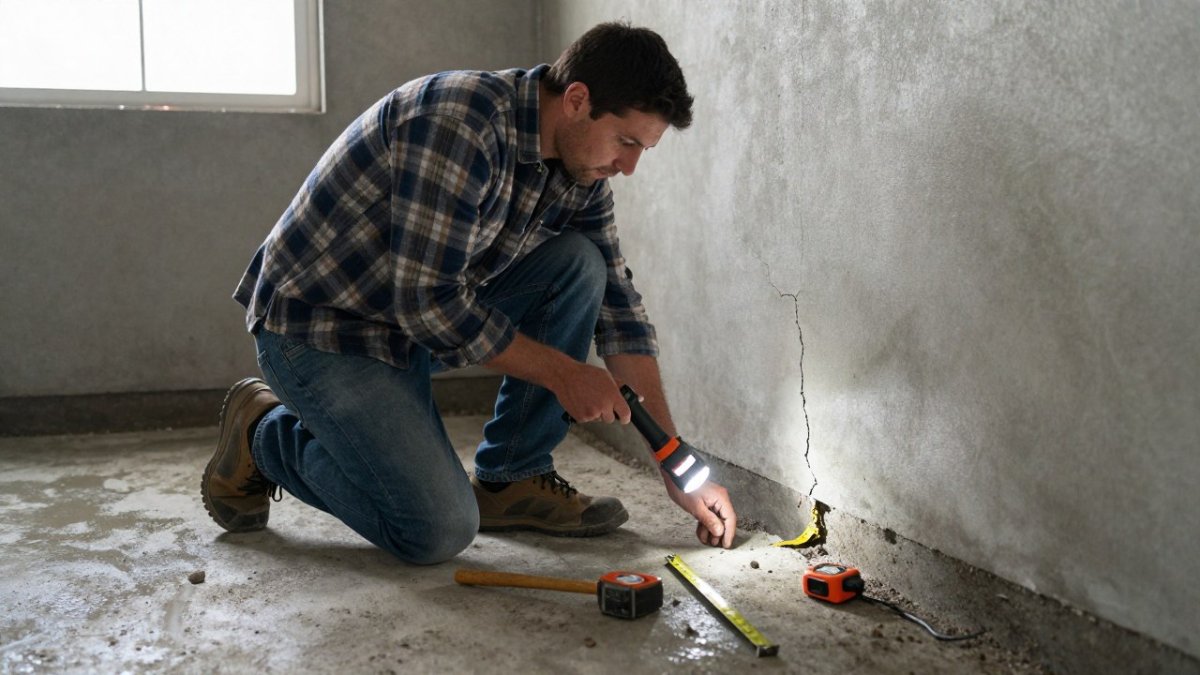
- Document the damage with dated photos and video, and keep damaged items until the adjuster has seen them.
- Start by securing the area, shutting off the water source if safe, and requesting a written scope and estimate.
Table of Contents
- What Emergency Water Extraction Involves
- Water Categories: Clean, Grey, and Black Water and Why They Change the Price
- Emergency Water Removal Cost: Typical Ranges and What Drives Them
- Basement Water Removal Cost and Standing-Water Pumping
- Water Damage Restoration Price Sheet: A Cost-Estimation Worksheet
- Water Extraction and Structural Drying: What Happens After the Water Is Gone
- Insurance, Deductibles, and Documentation for Your Claim
- Booking Emergency Water Extraction: Your Next Steps with Allied Construction Corp
- Frequently Asked Questions
What Emergency Water Extraction Involves
Emergency water extraction is the fast removal of standing water from a property before it soaks deeper into floors, walls, and structural materials, and understanding the water extraction cost starts with knowing how quickly that work needs to happen.
Water extraction generally involves removing standing water first, then addressing carpet, padding, and baseboards. Drying and repairs typically come later.
Many homeowners ask how quickly help should arrive.
Water Categories: Clean, Grey, and Black Water and Why They Change the Price
Restoration professionals generally classify water by contamination level, commonly as clean, grey, or black water.
The water category can affect the equipment, cleaning, and disposal a job requires. Ask any contractor to identify the category in writing before work starts, because it shapes the estimate.
Emergency Water Removal Cost: Typical Ranges and What Drives Them
The water extraction cost for emergency water removal varies widely with the size of the affected area, the water category, and how long the crew stays on site. You can compare the emergency water damage restoration services available in Nassau to see what local providers handle. For a current estimate tied to your property, request a written estimate from our team.
Because every job differs, a written estimate is the only reliable way to gauge cost. Two jobs with the same square footage can differ significantly once water category, drying days, and after-hours response are factored in.
The main cost drivers usually include:
- The square footage of affected floors and walls
- The depth of standing water
- The water category and any required sanitizing
- Whether the work happens after hours or on a weekend
- How many days the drying equipment runs
- Whether the estimate includes monitoring visits, debris removal, and disposal
Labor, After-Hours Response, and Equipment Charges
Ask any contractor for the daily equipment rate and the expected number of drying days before you approve the work, since equipment charges can accumulate over the length of a drying period.
How to Estimate Your Own Range Before You Call
You can narrow the range yourself with four inputs, which is faster than waiting on a callback:
- Measure the affected area. Pace off the wet footprint and multiply length by width. Include wet drywall up to the visible water line, since crews often bill wall area separately from floor area.
- Note the water depth. An inch of standing water across a slab is a pump-and-extract job; several inches in a basement with stored materials is a longer, heavier job.
- Identify the water category. Clean supply-line water is the cheapest to handle. Grey water from appliances adds cleaning. Black water from sewage or ground flooding adds protective equipment, disposal, and often replacement of porous materials.
- Estimate drying days. Drying time depends on the materials and extent of the loss, and it can extend for dense materials such as hardwood, plaster, or a finished basement.
Add up equipment, labor, treatment, and disposal lines from each bid, and compare those totals rather than the headline extraction price.
What a Written Estimate Should Itemize
A bid you can compare clearly breaks out its line items, such as labor, equipment, treatment, disposal, and any surcharges. If a contractor will only give you a single lump sum, ask them to split it into those lines before you sign. The cost-estimation worksheet below is built for exactly that comparison.
Basement Water Removal Cost and Standing-Water Pumping
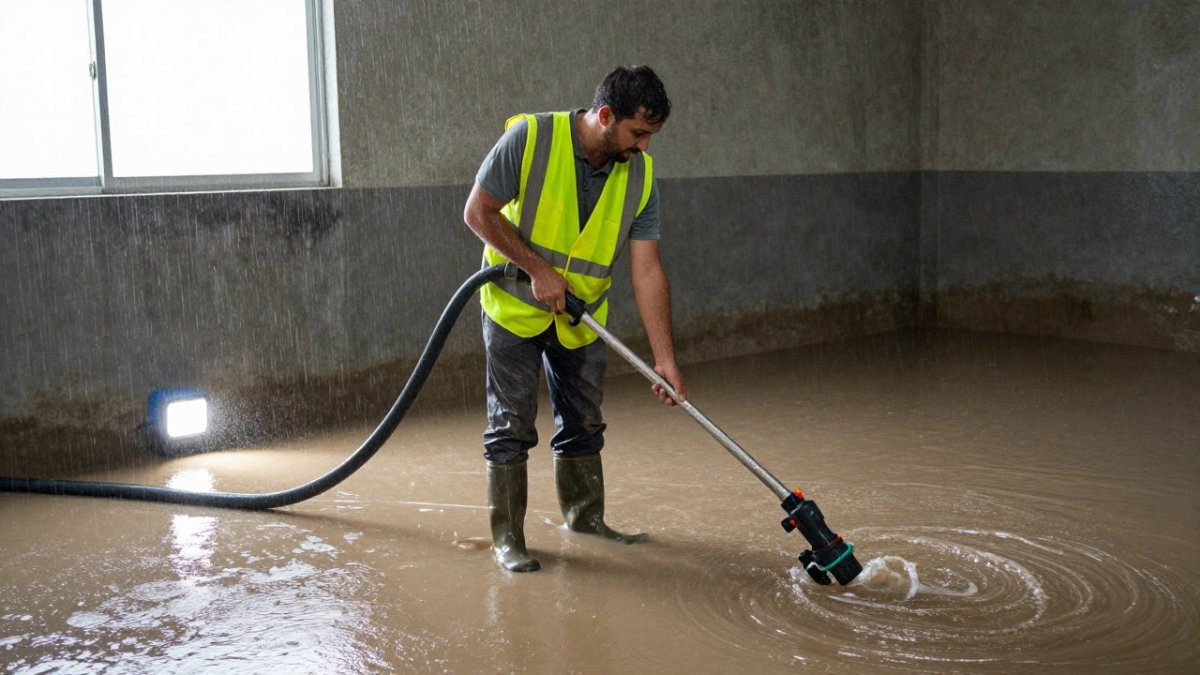
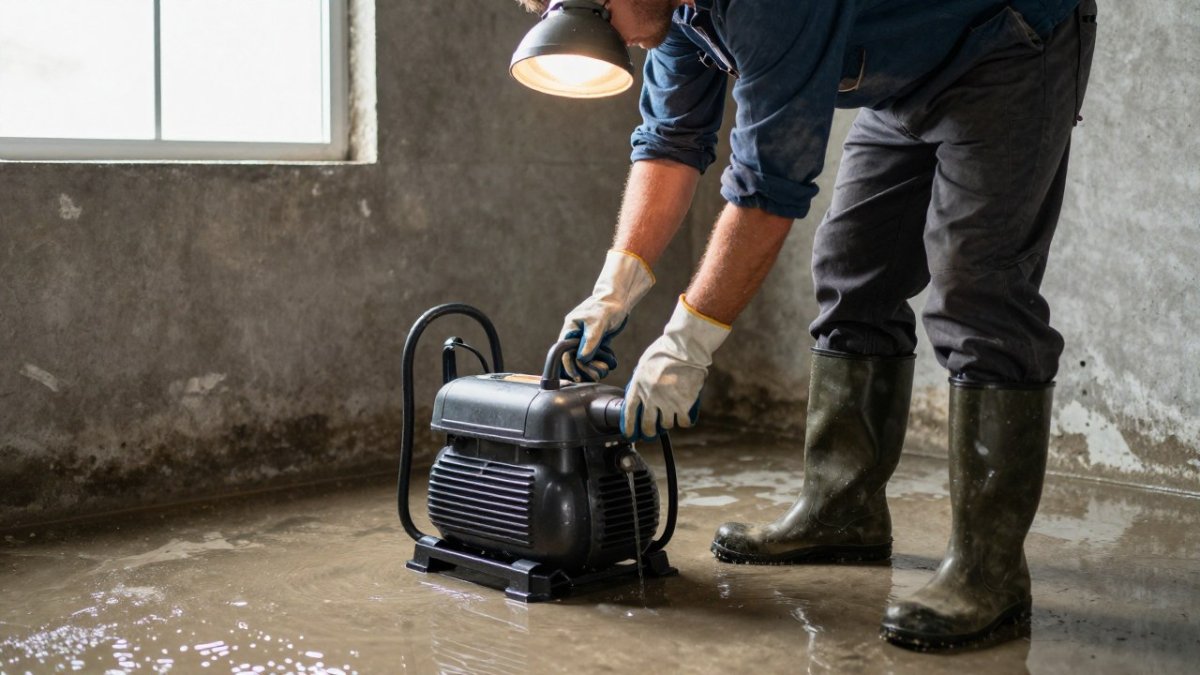
Basement flooding can be more involved to remove than a single room, because water sits in a lower space and can soak into concrete and stored materials. Ask whether any estimate includes pumping, debris removal, and monitoring, since these may be billed separately.
Water Damage Restoration Price Sheet: A Cost-Estimation Worksheet
A simple worksheet helps you compare estimates on equal terms. Fill in each line for every contractor you consider:
- Affected area (square feet): ______
- Water category (clean, grey, or black): ______
- Hours of extraction labor and rate: ______
- After-hours or weekend surcharge: ______
- Equipment days and daily rate: ______
- Sanitizing or antimicrobial treatment: ______
- Disposal of materials: ______
- Moisture monitoring and reporting: ______
Compare the totals only after each line is filled in. A bid that omits equipment days or monitoring may look cheaper but cost more at the end.
How to Fill In Each Line
A blank worksheet is only useful if you know what belongs on each line. Here is what to write and what to push back on:
- Affected area: Measure the wet floor footprint and the wet wall area separately. Crews often price wall cuts and cavity drying differently from floor extraction, so a single square-footage number can understate the job.
- Water category: Ask the contractor to state it in writing. Clean, grey, and black water change the protective equipment, disposal rules, and how much porous material can be saved.
- Extraction labor: Get hours and the hourly rate, and ask whether the clock starts at dispatch or at arrival. Travel time billed as labor is a common surprise.
- After-hours surcharge: Ask for the exact multiplier or flat fee for nights, weekends, and holidays. It is usually a percentage on top of the standard rate rather than a separate line.
- Equipment days and daily rate: This is where bids diverge most. Ask how many air movers and dehumidifiers, at what daily rate each, and for how many days. A quote that lists equipment as a lump sum hides the single biggest variable in the job.
- Sanitizing or antimicrobial treatment: Confirm whether this is included or billed per square foot, and whether it is recommended or required for your water category.
- Disposal: Ask who pays for hauling away ruined carpet, padding, drywall, and stored items, and whether dumpster rental is separate.
- Monitoring and reporting: Daily moisture readings and a final dry-standard report are often billed as visits. Ask how many are included and the per-visit charge beyond that.
A Worked Example
Suppose a finished basement has about 300 square feet of wet floor and a few feet of wet drywall from a failed supply line, clean water, discovered the same day. A bid might show two days of extraction and drying setup, four air movers and two dehumidifiers for four days, one antimicrobial application, disposal of saturated padding, and three monitoring visits. A competing bid might show the same extraction but only two drying days and no monitoring line.
That is the point of the worksheet: it forces both bids to show their assumptions so you compare the same scope, not the same headline number.
Questions to Ask Before You Sign
- Is the estimate binding, or can the total rise if drying takes longer than expected?
- Does the price include monitoring until materials reach a dry standard, or does it stop when the equipment is picked up?
- Are disposal and dumpster rental included?
- What is the payment schedule, and is any deposit required before work starts?
- Will the contractor provide moisture readings and a written report you can send to your insurer?
Bring the completed worksheet to your insurer conversation as well. A line-item estimate is far easier to align with a claim than a single lump sum, and it gives the adjuster something concrete to review.
Water Extraction and Structural Drying: What Happens After the Water Is Gone
Removing water is only the first phase. Structural drying uses air movers and dehumidifiers to bring moisture out of framing, subfloors, and drywall. Technicians take moisture readings over several days to confirm the materials are dry before they close walls or lay new flooring.
Drying can take days, and mold can begin to grow within a short window if moisture stays trapped. For guidance on what to check once drying is finished, read our guide to signs of hidden mold after smoke damage. Our water, smoke, and fire damage restoration services cover the drying and rebuild stages as well.
The restoration work after extraction follows a sequence that can be summarized as a quick reference for what to expect.
| Stage | What happens | Timing |
|---|---|---|
| Water removal | Standing water is extracted first | First hours matter most |
| Structural drying | Air movers and dehumidifiers dry framing, subfloors, and drywall | Can take days |
| Moisture readings | Technicians confirm materials are dry before closing walls | Taken over several days |
| Mold risk | Mold can begin to grow if moisture stays trapped | Within a short window |
Insurance, Deductibles, and Documentation for Your Claim
Many homeowners rely on insurance to pay for water removal, but coverage depends on the cause of the loss and your policy terms. Sudden pipe bursts are often covered, while long-term leaks and flooding from surface water may not be. Check your policy and ask your insurer about any deductible that applies.
Document everything before cleanup begins. Take dated photos and video of the damage, keep damaged items until the adjuster has seen them, and save every invoice and moisture report. Clear records make a claim faster to settle.
Booking Emergency Water Extraction: Your Next Steps with Allied Construction Corp
Start by securing the area, shutting off the water source if it is safe, and documenting the damage. Then contact a restoration provider and ask for a written scope and estimate. Our frequently asked questions answer common questions about the booking process, and you can request an estimate directly from our site.
Allied Construction Corp serves Nassau and Suffolk counties and all five boroughs. We are a licensed home improvement contractor offering water, smoke, and fire damage restoration. Request a written estimate so you can compare the full scope of work before you decide.
Frequently Asked Questions
How much does emergency water extraction cost?
Emergency water extraction pricing depends on the water category, the affected square footage, the depth of standing water, and whether the crew is working after hours. Because Allied Construction Corp has not published fixed rates, the most reliable figure comes from an on-site assessment and written quote. Ask for an itemized estimate that separates extraction labor, equipment such as pumps and wet vacuums, and any after-hours surcharge, so you can compare it fairly with other providers.
Does homeowners insurance cover emergency water extraction?
Many homeowners policies cover sudden and accidental water damage, such as a burst supply line, but they often exclude gradual leaks, flooding from surface water, and damage from lack of maintenance. Coverage and deductibles vary by policy, so review your declarations page and contact your insurer before work begins. Keep photos, a written inventory of damaged items, and every invoice, since these documents support the claim.
How quickly should water be extracted after a leak or flood?
Water should be removed as soon as it is safe to do so, ideally within the first 24 to 48 hours, because prolonged moisture increases the risk of structural damage and mold growth. Shut off the water source and power to affected areas if you can do so without risk, and avoid standing in water near electrical outlets or appliances. Call a licensed restoration contractor promptly so extraction and drying can begin.
What should I do before a water extraction crew arrives?
Shut off the water supply and the electricity to the affected area if it is safe, move valuables and furniture out of the water path, and take photos and video of the damage for your insurance claim. Do not run standard household vacuums through standing water. Clear a path for equipment, and note the time the water was discovered and its apparent source, since the crew and your insurer will ask.