 How-to
Hiring Emergency Water Damage Contractors: A Guide
Last Updated: October 23, 2026
Quick Summary
Emergency water damage contractors in Nassau should operate 24/7 with rapid response times, hold valid New York Home Improvement Contractor licenses, and begin water extraction within the first 24-48 hours when structural damage and mold growth accelerate most rapidly.
- Ask contractors their average response time directly; hesitation or vague ranges signal they're not equipped for true emergencies.
- Verify contractors hold a valid New York Home Improvement Contractor License and carry current general liability insurance before work begins.
- Structural drying typically takes 3-7 days for most residential jobs using industrial dehumidifiers and air movers with daily moisture monitoring.
- A professional estimate breaks down labor, materials, equipment rental, and disposal costs by specific task with a day-by-day timeline.
- Request photos documenting initial damage, drying equipment setup, daily progress, and final results to support your insurance claim.
Table of Contents
- What to Look for in Emergency Water Damage Contractors
- Questions to Ask a Water Damage Contractor
- Understanding Your Water Damage Restoration Estimate
- Water Damage Restoration Timeline: What to Expect
- Insurance Claims and Water Damage Restoration Documentation
- Safety Actions Before Your Contractor Arrives
- Getting Your Free Inspection and Moving Forward
- Frequently Asked Questions
What to Look for in Emergency Water Damage Contractors
When water damage strikes, you need a contractor who responds immediately and restores the property properly. This guide covers what to evaluate when hiring emergency water damage contractors in Nassau.
24/7 Emergency Availability and Response Time
A true emergency water damage contractor operates around the clock and gives a specific arrival window when you call, not vague promises.
Response time matters enormously: the first 24-48 hours are critical, as standing water causes structural damage, mold growth accelerates, and contamination spreads. Ask directly: "What's your average response time?" Hesitation or a range like "1-3 hours" signals they're not equipped for true emergencies.
Confirm they have crews stationed locally. A contractor with Nassau-based teams can reach you faster and coordinate follow-up visits more easily.
Licensing, Credentials, and Local Compliance
New York requires specific licenses for water damage restoration work. Verify that any contractor you hire holds a valid New York Home Improvement Contractor License and operates under a registered business name.
Ask to see their license before work begins; don't accept promises to "send it later." They should also carry current general liability insurance and workers' compensation coverage. Request certificates of insurance naming you as an additional insured.
Beyond state licensing, look for industry certifications. The Institute of Inspection, Cleaning and Restoration Certification (IICRC) sets standards for water damage restoration professionals, and certified technicians have completed training in water extraction, structural drying, and mold prevention (WRT).
Red Flags to Avoid When Hiring
Some warning signs should disqualify a contractor immediately. If they pressure you to sign before assessing the damage, walk away; legitimate contractors inspect first, then estimate.
Be wary of contractors who quote restoration costs over the phone. Water damage varies dramatically by water source, affected materials, and contamination levels, so a quote without inspection is a guess that leads to surprise charges later.
Avoid contractors who minimize the scope of work. If they say mold remediation "probably won't be necessary" or suggest skipping structural drying to save money, they're cutting corners.
Finally, check their online reviews and Better Business Bureau rating.
Questions to Ask a Water Damage Contractor
The right questions reveal whether a contractor is qualified and trustworthy.
Water Extraction and Structural Drying Capabilities
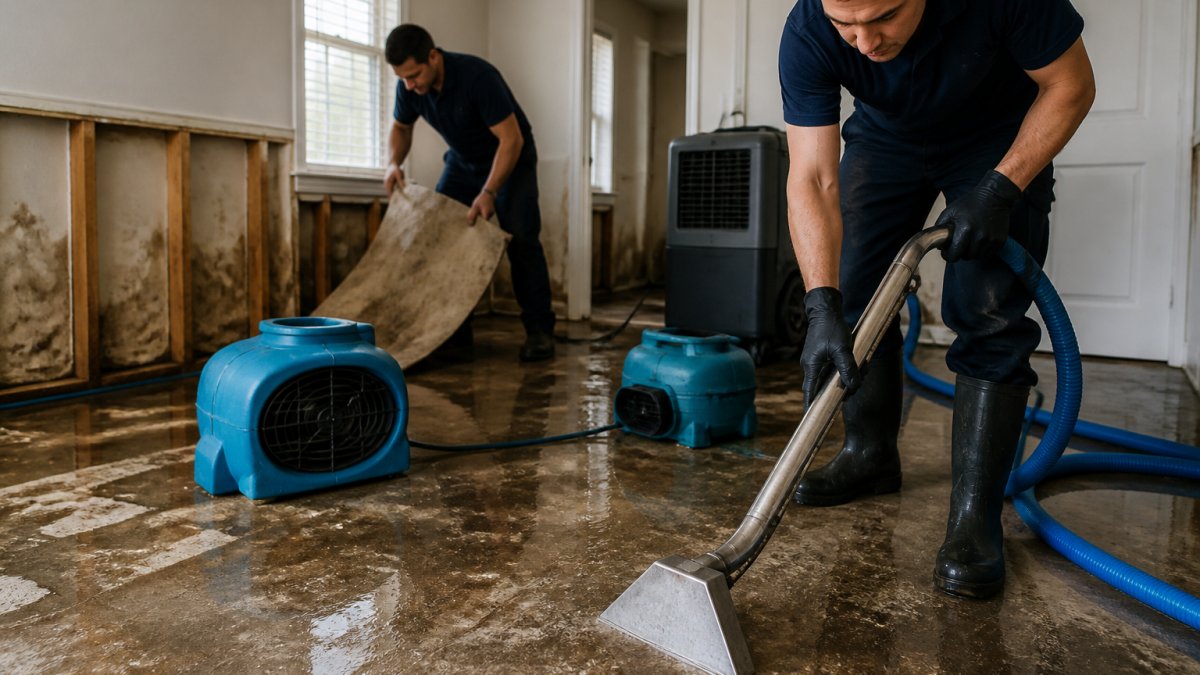
Ask: "What equipment do you use for water extraction and drying?" A qualified contractor should describe submersible pumps, truck-mounted extraction units, and industrial-grade dehumidifiers and air movers. Vague answers signal they lack the infrastructure for serious restoration work.
Follow up with: "How long does structural drying typically take?" Expect 3-7 days for most residential jobs. If they promise to dry everything in 24 hours, they're oversimplifying or planning to cut the process short.
Ask about moisture assessment: "How do you measure whether materials are dry?" Professionals use moisture meters to verify that drywall, framing, and subfloors have returned to normal levels, documenting readings to prevent hidden moisture that causes mold later.
Mold Remediation and Prevention Services
Water damage and mold go hand in hand. Ask directly: "What mold prevention steps do you include in restoration?" A solid answer includes antimicrobial treatments, proper ventilation during drying, and humidity monitoring.
Ask: "If mold is discovered during restoration, what's your process?" They should describe containment, removal according to EPA guidelines, and documentation, or refer you to a trusted partner if it's outside their scope. Avoid contractors who downplay mold's importance.
Understanding Your Water Damage Restoration Estimate
A clear, detailed estimate protects you from surprises and gives you a basis for comparing contractors.
What Should Be Included in the Estimate
A professional estimate breaks down labor, materials, equipment rental, and disposal costs by task, with specific line items: water extraction, structural drying, mold prevention treatment, dehumidifier rental, debris removal, and repairs.
The estimate should specify what's included and what isn't, for example: "Includes extraction and drying of living room, hallway, and master bedroom. Does not include carpet replacement or hardwood floor restoration."
A good estimate includes a timeline. "Water extraction: Day 1. Drying setup and monitoring: Days 1-5. Final inspection and drying verification: Day 6." This gives you realistic expectations and helps you plan your life around the restoration.
| Estimate Component | What to Look For | Red Flag |
|---|---|---|
| Labor | Hourly rate or flat fee per task | "Labor costs TBD" or vague pricing |
| Equipment | Specific equipment listed with rental duration | "Equipment as needed" |
| Materials | Antimicrobials, sealers, disposal bags listed | Generic "materials" with no detail |
| Timeline | Specific day-by-day schedule | "Varies" or no timeline given |
| Scope | Clear description of what's included | Ambiguous or missing sections |
| Insurance | Notes whether estimate is insurance-compatible | No mention of insurance documentation |
How to Compare Estimates and Avoid Hidden Charges
When comparing estimates, look beyond the total price. A lower estimate isn't better if it's missing critical steps.
Compare scope first. Do all estimates include water extraction, structural drying, and mold prevention? If one is significantly lower, ask why: cheaper equipment or skipped antimicrobial treatment saves money upfront but creates problems later.
Ask each contractor: "Are there any costs not included in this estimate?" Common add-ons include overtime charges, hazmat fees for contaminated water, or disposal surcharges. Knowing them helps you budget accurately.
Check whether the estimate is compatible with insurance billing. Most insurers require specific documentation and may have preferred contractors or pricing limits. Ask: "Have you worked with [your insurance company] before?"
Water Damage Restoration Timeline: What to Expect
Understanding the restoration timeline helps you plan temporary housing and coordinate with your insurer.
Damage Assessment and Rapid Response
The first step is a damage assessment. The contractor inspects the affected areas, identifies water sources, and determines contamination levels, typically in 1-2 hours. They'll also identify what can be salvaged and what needs replacement.
Rapid response is critical in the first 24-48 hours. The contractor should begin water extraction immediately, removing standing water and moisture from carpets, upholstery, and other absorbent materials. For most residential jobs, extraction takes 4-8 hours.
Drying, Dehumidification, and Restoration Phases
After extraction, the drying phase begins. Industrial dehumidifiers and air movers circulate air and reduce humidity for 3-7 days, depending on the extent of damage and ambient conditions. The contractor monitors moisture levels daily to verify progress.
Concurrent with drying, antimicrobial treatments prevent mold growth. The contractor applies treatments to affected materials and ensures proper ventilation. By day 5-7, moisture levels should return to normal. The contractor conducts a final moisture assessment to confirm the structure is dry.
Restoration work, repairs to drywall, flooring, paint, and fixtures, begins after drying is complete. Minor damage might require only paint and trim replacement (1-2 days); significant damage involving structural repairs or flooring replacement can take weeks.
Insurance Claims and Water Damage Restoration Documentation
Insurance documentation is essential for claims processing. Understanding what your contractor should provide protects your claim and prevents payment delays.
What Documentation Your Contractor Should Provide
Your contractor should provide photos of the damage before, during, and after restoration; a detailed scope of work; itemized invoices with labor hours and material costs; and moisture meter readings documenting drying progress.
This documentation supports your insurance claim, records the work completed, and protects you if disputes arise later. Ask your contractor: "What documentation will you provide?"
Ask about photos specifically. Contractors should photograph the initial damage, the setup of drying equipment, daily progress, and final results. These photos are invaluable for insurance claims and provide peace of mind that the work was done properly.
Direct Insurance Billing and Payment Arrangements
Many contractors offer direct insurance billing, meaning they bill your insurance company directly and you pay only your deductible. This arrangement simplifies payment and reduces your out-of-pocket costs.
Understand your deductible and how it applies. Some policies have a standard deductible (typically $500-$1,000). Others have a percentage-based deductible for water damage. Know your deductible before signing a contract so there are no surprises at billing time.
Ask about payment terms if you're paying out of pocket. Most contractors require a deposit to begin work and final payment upon completion. Clarify the deposit amount, when it's due, and what happens if the project scope changes. A transparent contractor explains their payment process upfront.
Safety Actions Before Your Contractor Arrives
Before your contractor arrives, take steps to protect your health and prevent further damage.
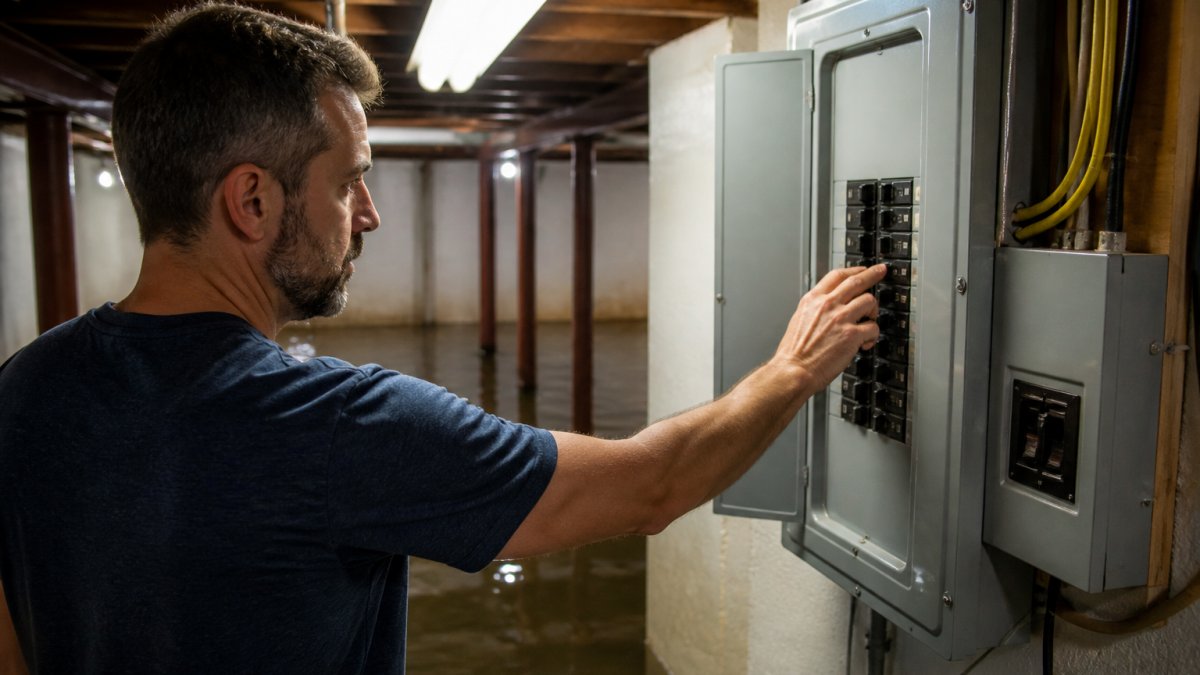
Turn off electricity to affected areas if it's safe to do so. Water and electricity are a dangerous combination.
Shut off the water source if possible.
Remove valuables and important documents from affected areas. Move photos, documents, heirlooms, and irreplaceable items to a dry location.
Open windows and doors to improve air circulation. This helps moisture escape and reduces mold risk.
Document the damage with photos and video before the contractor arrives.
Do not attempt to clean or dry the area yourself.
Getting Your Free Inspection and Moving Forward
When you're ready to hire a contractor, the first step is a free inspection and estimate.
During the inspection, observe how the contractor approaches the assessment. Do they take time to inspect thoroughly, or do they rush through?
Ask about the inspection timeline. How long will it take to provide a detailed estimate?
Bring up insurance early. Ask whether they've worked with your insurance company and whether they can handle direct billing. This conversation prevents complications later.
When comparing contractors, don't decide based solely on price. Consider response time, credentials, equipment, communication style, and insurance experience.
Once you've selected a contractor, sign a detailed contract before work begins.
water damage restoration services and fast water damage restoration timeline tips are resources that go deeper into specific aspects of the restoration process. For immediate service or to discuss your specific situation, request an estimate or contact the team.
Water damage emergencies demand quick decisions under stressful circumstances.
Frequently Asked Questions
What should I do before a water damage contractor arrives?
First, ensure safety: turn off electricity to the affected area if standing water is present. Document the damage with photos and video for your insurance claim. Remove portable items and valuables if safe to do so. Open windows for ventilation if weather permits. Do not attempt to clean contaminated water yourself. Shut off the water source if the damage came from a burst pipe or leak. Have your insurance information and policy details ready for the contractor's arrival.
How do I choose a water damage restoration contractor?
Look for 24/7 emergency availability and rapid response times. Verify they hold proper licensing and credentials for your state and county. Ask about their water extraction, dehumidification, and mold remediation experience. Request references from recent projects and check their Better Business Bureau rating. Ensure they provide detailed written estimates and handle direct insurance billing. Avoid contractors who pressure you to decide immediately or won't provide documentation.
What should a water damage restoration estimate include?
A complete estimate should itemize water extraction costs, structural drying and dehumidification, mold remediation (if needed), and restoration labor. It should specify equipment used, the timeline for each phase, and any additional services like fire or storm damage cleanup. The estimate must list insurance claim documentation and whether the contractor offers direct billing to your insurer. Ask for clarification on any line items and confirm what is not included to avoid surprise charges later.
How long does water damage restoration usually take?
Most projects span 3-7 days for initial water extraction and drying, depending on damage severity and moisture levels. Structural drying with dehumidifiers typically takes 5-10 days. Mold remediation and restoration work can add 1-3 weeks. The full timeline depends on the extent of contaminated water, building materials affected, and whether structural repairs are needed. Your contractor should provide a detailed restoration plan with realistic timelines during the damage assessment phase.