 How-to
How Do You Manage a Kitchen Renovation Timeline?
Last Updated: October 28, 2026
Quick Summary
A kitchen renovation timeline is a week-by-week plan showing when each trade works, when materials arrive, and when inspections happen. Build it before demolition, add a 10 to 15 percent buffer, and order long-lead items early so delays don't stack up.
- Get a written schedule before you sign, including phase dates and payment milestones.
- Planning, permits, and design can take several weeks before any demolition starts.
- Inspections and material deliveries are where most timelines slip, so give them extra room.
- Add a buffer of about 10 to 15 percent to the total duration.
- Hold a fixed weekly check-in and get written updates whenever a date changes.
Table of Contents
- Why a Kitchen Renovation Timeline Matters Before Demolition Starts
- How Long Does a Kitchen Remodel Take, Phase by Phase
- Building a Sample Kitchen Remodel Timeline With Realistic Durations
- Ordering Cabinets, Appliances, and Materials Without Stalling the Job
- Kitchen Renovation Checklist for Each Phase
- Common Kitchen Remodel Delays and How to Respond to Them
- Keeping Your Contractor Accountable: Check-Ins and Schedule Reviews
- Get a Written Schedule Before You Sign for Your Kitchen Project
- Frequently Asked Questions
Why a Kitchen Renovation Timeline Matters Before Demolition Starts
A kitchen renovation timeline is a week-by-week plan that shows when each trade works, when materials arrive, and when inspections happen. Without one, small delays stack up fast and a six-week job can stretch into three months. Planning how to manage a kitchen renovation timeline effectively before demolition begins is the single best way to protect your budget and your daily routine.
Here is what a good timeline gives you:
- A realistic finish date you can plan around
- Clear handoffs between trades so no crew waits idle
- Early warning when a delivery or permit is at risk
- A shared document you can check against during the job
Watch out: Many homeowners sign before any schedule exists. Ask for one in writing first.
How Long Does a Kitchen Remodel Take, Phase by Phase
Most kitchen remodels run several weeks to a few months, depending on scope. A cosmetic update that keeps the layout can finish faster than a full gut renovation that moves plumbing and walls. For a family-focused phase-by-phase schedule, see the kitchen remodel timeline guide for busy households.
The work usually moves through these phases:
- Planning and design: Layout, measurements, and selections, often taking several weeks before any work starts
- Permits and approvals: Time varies by town and project type, so confirm this early
- Demolition: Removing cabinets, flooring, and old fixtures, usually a few days to a week
- Rough-in: Electrical, plumbing, and any ventilation changes, often one to two weeks
- Inspections: Scheduled between phases, and each can add days of waiting
- Drywall, flooring, and paint: Several days to two weeks, with drying time built in
- Cabinets, countertops, and appliances: Installation depends on material lead times
- Finish work and final walkthrough: Trim, hardware, and punch-list fixes
The inspection and material steps are where most timelines slip, so give them extra room.
Building a Sample Kitchen Remodel Timeline With Realistic Durations
Here is a sample timeline for a mid-size kitchen remodel that keeps the same layout. Your project will differ, but the structure is a useful starting point.
| Phase | Typical Duration | Notes |
|---|---|---|
| Design and selections | 2 to 4 weeks | Finalize before ordering |
| Permits | 1 to 3 weeks | Depends on local office |
| Demolition | 3 to 5 days | Plan for hidden damage |
| Rough-in plumbing and electrical | 1 to 2 weeks | Includes inspection |
| Drywall and prep | 1 week | Allow drying time |
| Flooring and paint | 1 week | Often sequenced together |
| Cabinets and countertops | 1 to 2 weeks | Templating happens first |
| Final finish and walkthrough | 3 to 5 days | Punch-list fixes |
Add a buffer of about 10 to 15 percent to the total. Use that buffer for inspection waits and material delays rather than hoping they won't happen.
Ordering Cabinets, Appliances, and Materials Without Stalling the Job
Long lead times cause more delays than almost any other factor. Custom cabinets and some appliances can take many weeks to arrive, so order before the crew needs them, not after.
A practical approach:
- Confirm every selection in writing before placing an order
- Ask the supplier for the current lead time and check it again before install
- Order fixtures and hardware early, since they are often overlooked
- Schedule a delivery window that matches the installation date Maintaining a buffer between these arrivals and the start of work prevents costly delays, so establishing a reliable method to assess material delivery timelines remains essential for keeping the project on track.
Pricing and availability depend on the product, quantity, and delivery date. For current pricing on materials or a project quote, contact Allied Construction Corp directly. Plan your kitchen project with a clear schedule before you commit to any order.
Kitchen Renovation Checklist for Each Phase
Use this checklist to track progress and catch problems before they grow:
- Before demolition: finalize layout, selections, and a written schedule
- Permits: confirm which approvals apply and who submits them
- Rough-in: verify electrical and plumbing locations match the plan
- Inspection: book it as soon as rough-in is complete
- Drywall: check that all cabinets and appliance spots are measured
- Flooring and paint: confirm drying times are respected
- Cabinets and countertops: verify templating and delivery dates
- Final walkthrough: make a written punch list and set a completion date
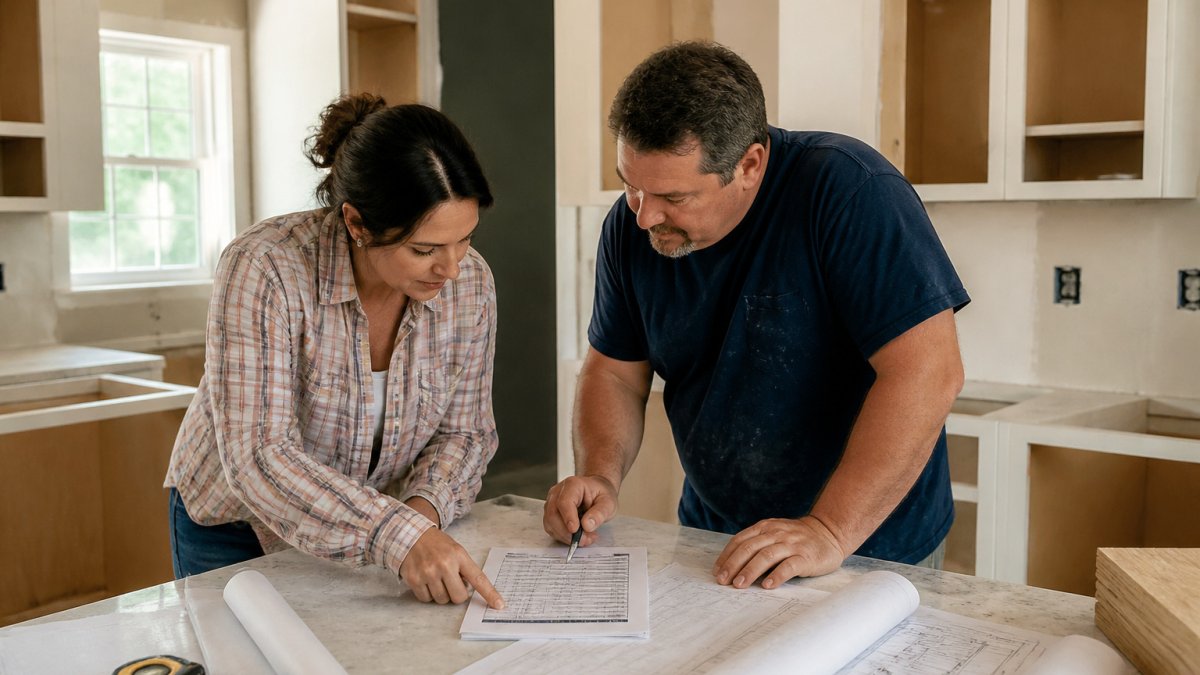
Walking through this list with your contractor at each phase keeps everyone working from the same plan. Learn how to manage renovation subcontractors if your project involves several trades.
Common Kitchen Remodel Delays and How to Respond to Them
Some delays are almost guaranteed on any remodel. The goal is to respond quickly so one problem doesn't push back every later step.
The most common causes include:
- Hidden damage found after demolition: Water-damaged subfloor or outdated wiring
- Inspection failures: A failed inspection means waiting for a reinspection slot
- Backordered materials: Cabinets or tile arriving late
- Scope changes: A new idea mid-project that adds work
When a delay happens, ask three questions: What is the new completion date? Which tasks move? What does this cost? Ask your contractor to answer all three in writing.
Watch out: Verbal changes to scope are the easiest way to lose control of both the schedule and the budget.
Keeping Your Contractor Accountable: Check-Ins and Schedule Reviews
A timeline only works if someone checks it. Set a fixed weekly check-in, even for a short call, and review the schedule against what was actually completed.
Useful habits include:
- A short weekly meeting to compare planned and actual progress
- A written update whenever a date changes
- Photos of completed work at each phase for your records
- A shared list of open decisions, with owners and deadlines
These habits make it obvious early when a phase is falling behind, and they give you a record if questions come up later.
Get a Written Schedule Before You Sign for Your Kitchen Project
Before you commit, ask for a written schedule that lists each phase, its start and end dates, and the payment milestones tied to them. Check whether the contractor handles permits and inspections, since that affects the timeline. Request a free estimate from Allied Construction Corp for your kitchen.
Allied Construction Corp is a licensed home improvement contractor serving Nassau and Suffolk counties and all five boroughs.
Frequently Asked Questions
How long does a typical kitchen renovation take?
Timelines vary with scope. Ask your contractor for a written schedule that breaks out each phase, because the total duration only means something when you can see where the time goes.
When should you order cabinets and appliances for a kitchen renovation?
Order cabinets, appliances, and specialty materials as soon as your design is final and before demolition begins. Confirm the exact model numbers, dimensions, and delivery windows in writing, and plan for the installation crew to be ready the day the materials arrive. Pricing and lead times vary by supplier and product, so confirm current figures with your supplier.
How often should you check in with your kitchen remodeling contractor?
Hold a brief check-in at least once a week, and a short walkthrough at the end of each major phase, such as rough-in plumbing and electrical, drywall, and finish work. Use the meeting to compare progress against the written schedule, confirm what is arriving next, and resolve open decisions such as tile or hardware selections. Keep notes of every change order and schedule adjustment so there is a clear record if the timeline shifts later.
What should you do if your kitchen renovation falls behind schedule?
First, ask your contractor to explain the cause in writing and the specific steps they will take to recover the lost time, such as resequencing trades or expediting a delivery. Then review whether the delay affects the critical path, meaning the tasks that all other work depends on, such as cabinet installation or inspection sign-off. Agree on a revised completion date and document it. If the delay was caused by a change you requested, confirm any adjustments before work continues.