 How-to
5 Ways Unpermitted Work Can Void Your Home Insurance Claim
Last Updated: November 19, 2026
Quick Summary
Homeowners insurance often still covers damage to a home with unpermitted home improvements, but coverage depends on the cause of the loss and the policy wording. Insurers may dispute claims tied to the unpermitted work itself while still covering unrelated damage to the rest of the home.
- Insurers often separate damage to the unpermitted improvement from damage to the rest of the home.
- Faulty workmanship and wear-and-tear exclusions frequently decide disputes over unpermitted work.
- Adjusters may request permits, inspection records, contractor invoices, and photos of the work.
- Describing unpermitted work as permitted during a claim can turn a coverage dispute into a misrepresentation issue.
- Check permit history, review your policy, and update your insurer with accurate information.
Table of Contents
- Does Homeowners Insurance Cover Unpermitted Work?
- How Unpermitted Work Can Affect a Claim
- What Happens If an Inspector Finds Unpermitted Work
- Do Insurance Companies Check for Building Permits?
- How to Update Your Home Insurance After a Renovation
- A Practical Remediation Checklist for Unpermitted Improvements
- Step 1: Identify What Was Actually Built
- Step 2: Review Your Policy Before You Call Your Insurer
- Step 3: Consult a Licensed Contractor on Scope and Code
- Step 4: Apply for Retroactive Permits Where Allowed
- Step 5: Schedule Inspections and Keep Every Report
- Step 6: Update Your Insurer With Accurate Information
- Step 7: Document the Correction and Keep Records Together
- Questions to Ask Your Agent or Insurer
- Your Next Steps: Getting Permits and Coverage in Order
- Frequently Asked Questions
Many homeowners assume their policy covers any damage, no matter how the house was changed. Learn how permits and contractors interact before you update your coverage. That assumption can cost you: when a renovation was done without a building permit, an insurer may dispute part or all of a claim, and the reasons are often buried in policy language most people never read.
Does Homeowners Insurance Cover Unpermitted Work?
Homeowners insurance often still covers damage to a home with unpermitted work, but the answer depends on the cause of the loss and the wording of the policy.
The real issue is that an insurer may argue the work was not built to code, making the resulting damage harder to cover.
Covered Losses Versus the Improvement Itself
Insurers usually separate two things: damage to the unpermitted improvement itself, and damage to the rest of the home. Those two often get different answers.
- The rest of the home: A fire that starts in the kitchen may still be covered for the original structure.
- The improvement itself: A basement finished without a permit may be treated as a separate, unverified addition.
- Resulting damage: Water or fire damage that spreads from an improper installation can become a dispute.
Ask your agent how your policy treats additions and remodeled spaces.
Coverage Exclusions and Limitations
Many policies include exclusions that become relevant when work was not permitted. Common ones involve faulty workmanship, code noncompliance, and damage from work the insurer did not know about.
Read the exclusions section and look for words like "faulty workmanship," "wear and tear," and "failure to maintain." Those phrases often decide disputes.
How Unpermitted Work Can Affect a Claim
An unpermitted improvement can slow a claim, reduce a payout, or lead to a denial. The biggest risk is a gap between what was built and what the insurer was told.
A claim adjuster may ask for permits, inspection records, contractor invoices, and photos of the work in progress. If none exist, the adjuster may question whether the damage is covered at all, or treat the improvement as property the policy does not describe.
Claim Scenarios by Cause of Loss
The cause of loss matters a lot. The same unpermitted change can produce very different outcomes depending on what triggered the damage and how the policy reads. The scenarios below illustrate how insurers tend to reason, not predictions about any specific policy.
- Fire started by unpermitted electrical work. The insurer will usually investigate the wiring first. If the fire is traced to faulty workmanship, the faulty workmanship exclusion may bar payment for the defective wiring itself, while damage to the surrounding original structure may still be covered under resulting-loss provisions. The outcome often turns on whether the policy treats the fire damage as a separate covered peril or as damage flowing from excluded work.
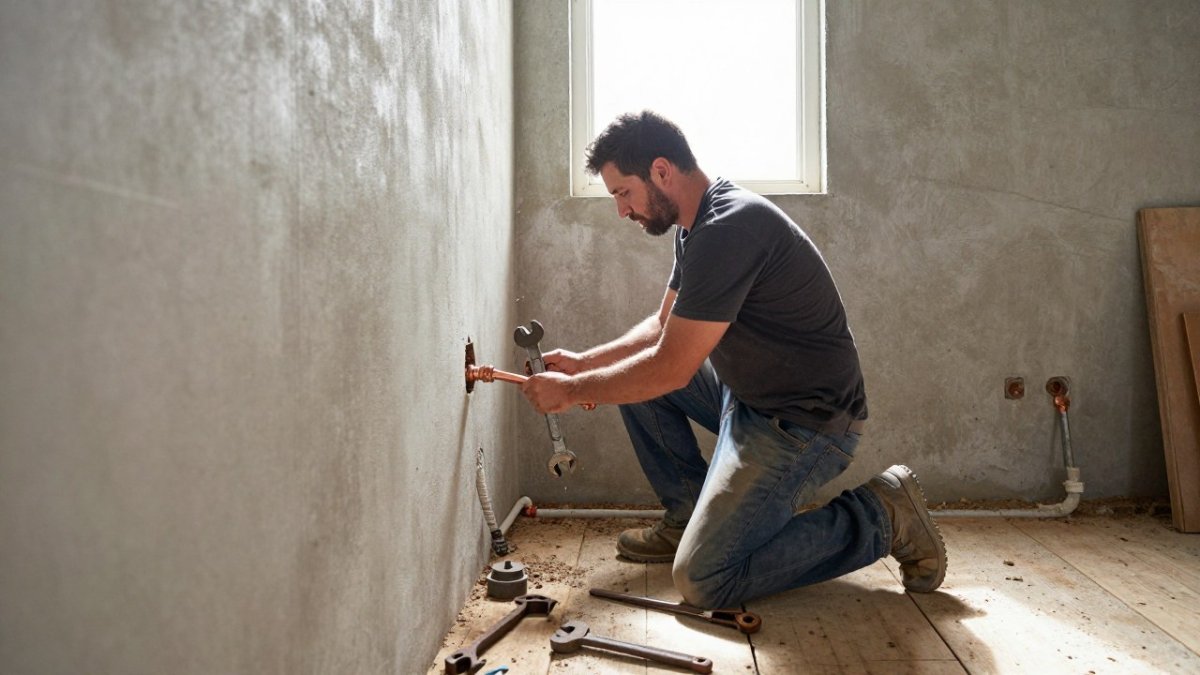
- Water from unpermitted plumbing. Insurers frequently distinguish between a sudden, accidental discharge (often covered) and long-term seepage or repeated leakage (often excluded as wear and tear or failure to maintain). An unpermitted rough-in makes the sudden-versus-slow question harder to resolve because there is no inspection record showing the work was done to code.
- Storm damage to an unpermitted addition. Wind or hail damage to an unpermitted rooftop addition or converted garage may be treated as damage to a separate structure. Whether that structure is covered depends on whether the policy's definition of covered property includes it and whether the insurer was told it existed. A storm is an unrelated covered event, but the improvement itself may still be outside the described property.
Damage to the Improvement Versus Damage to the Rest of the Home
Insurers separate three things that brief answers often blur:
- Damage to the noncompliant work itself. The unpermitted wiring, the unpermitted plumbing, the unpermitted addition. This is the portion most likely to be excluded or limited.
- Resulting damage to other property. Fire, smoke, or water that spreads from the unpermitted work into original, permitted parts of the home. Many policies cover resulting damage even when the defective work is excluded, but the wording varies.
- Unrelated damage. A covered peril that has nothing to do with the unpermitted work. This is usually evaluated on its own facts.
Ask your agent to walk through all three categories against your specific policy language before a loss happens, not after.
What the Adjuster Will Look For
An insurance investigation generally considers the cause of loss, the age and scope of the work, whether permits exist, and whether the insurer was told about the improvement. Keep records for every project, including contractor contracts, invoices, inspection reports, and dated photos.
Describing unpermitted work as permitted during a claim can turn a coverage dispute into a misrepresentation issue.
What Happens If an Inspector Finds Unpermitted Work
If a building inspector finds unpermitted work, the usual first step is a notice to the property owner. The local building department may require a permit application, an inspection, or in some cases removal of the work.
Ignoring the notice can lead to fines and added costs. An open code violation can also complicate a sale or a future insurance application.
Do Insurance Companies Check for Building Permits?
Insurers do not always check permit records for every home, but they can, using aerial imagery, property records, or inspections during underwriting or after a claim.
The safer approach is to disclose accurately rather than hope the work goes unnoticed. Misrepresenting a property can create bigger problems than the improvement itself.
How to Update Your Home Insurance After a Renovation
After any renovation, tell your insurer about the change. Many homeowners wait until a claim, which is often too late.
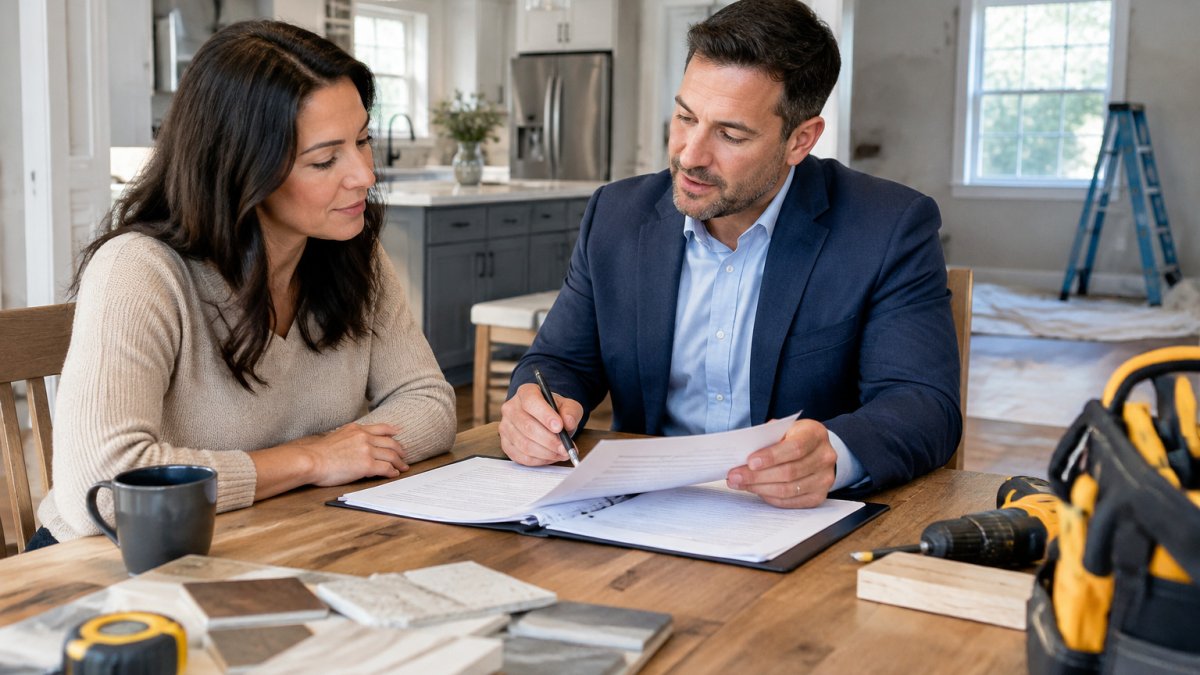
Follow these steps:
- Gather your contractor's contract, invoices, and any permits.
- Note the scope of work, dates, and materials used.
- Contact your agent and describe the change accurately.
- Ask whether your coverage limits or deductible need updating.
- Request written confirmation of the updated policy.
Communicating With Your Insurer Without Misrepresenting the Property
Be factual and specific. Say what was built, when, and by whom. Do not guess about permits or code approval. If you are unsure whether a permit was pulled, say so and ask how to proceed.
Avoid describing unpermitted work as permitted. A clear, honest description protects you more than a vague one.
A Practical Remediation Checklist for Unpermitted Improvements
If you find or suspect unpermitted work, the goal is to convert an unknown into a documented, insurable condition. The order below matters because each step feeds the next: you cannot get a retroactive permit without knowing what was built, and you cannot update your insurer credibly without inspection records. For help managing renovation subcontractors during remediation, the guide walks through oversight of the work they perform.
Step 1: Identify What Was Actually Built
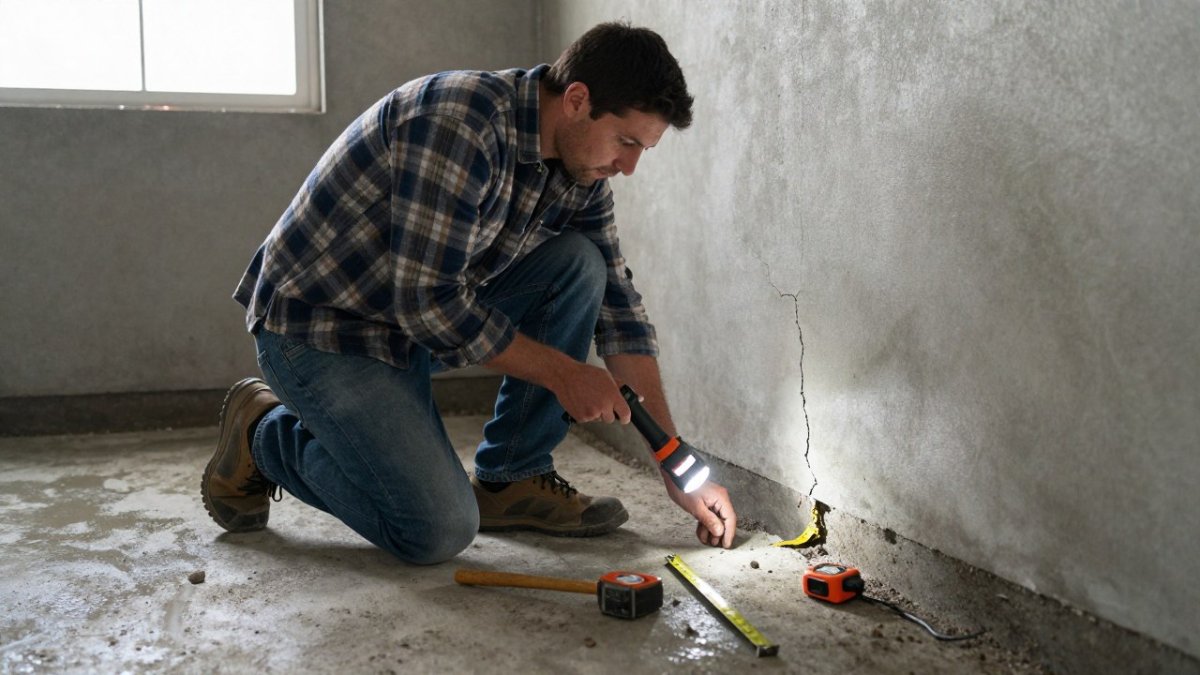
Pull your property's permit history from the local building department. Many departments publish permit and inspection records online; others may require a records request or an in-person visit.
Watch out: a permit that was pulled but never inspected is not the same as a completed permitted job. Ask the building department whether each permit was finaled, because an open permit can stall a sale or an insurance application just as an unpermitted job can.
Step 2: Review Your Policy Before You Call Your Insurer
Read the exclusions section and look for terms like "faulty workmanship," "code," "ordinance or law," "wear and tear," and "failure to maintain." Also check the definition of covered property and any language about additions, alterations, or structures. Knowing what your policy says before you call lets you ask specific questions instead of general ones.
Step 3: Consult a Licensed Contractor on Scope and Code
Talk to a licensed contractor about what would be needed to bring the work into compliance. The contractor can identify whether the work is structurally sound, whether it meets current code, and roughly what correction would involve. The local building department, not the contractor, makes the final call, so treat the contractor's assessment as preparation for the permit conversation.
Step 4: Apply for Retroactive Permits Where Allowed
Many jurisdictions allow a homeowner to apply for a permit after the fact, often called a retroactive or after-the-fact permit. The process typically involves an application, a plan review, and one or more inspections. Some departments may charge higher fees or penalties, or require portions of the work to be opened up for inspection.
Step 5: Schedule Inspections and Keep Every Report
Schedule the required inspections and keep every report, correction notice, and final approval. These documents are what let you and your insurer treat the work as verified rather than unknown. Store them with your closing documents and keep a digital copy.
Step 6: Update Your Insurer With Accurate Information
After the work is approved, or, if approval is not possible, after you understand its status, contact your agent and describe the change accurately. Say what was built, when, and by whom. Do not guess about permits or code approval. If you are unsure whether a permit was pulled, say so and ask how to proceed.
Step 7: Document the Correction and Keep Records Together
Store permits, inspection reports, contractor invoices, photos, and insurer correspondence in one place. If you sell the home, these records answer the buyer's and the buyer's insurer's questions directly. If you file a claim later, they shorten the adjuster's investigation.
Questions to Ask Your Agent or Insurer
A short list of questions makes the disclosure conversation concrete:
- How does my policy define covered property, and does it include the addition or remodeled space?
- Does my policy exclude damage caused by faulty workmanship, and does that exclusion apply to resulting damage to other parts of the home?
- Is ordinance-or-law coverage included, and what does it pay for if I am required to rebuild to current code?
Disclosure is not the same as assuming coverage.
Work with a licensed professional. A licensed contractor such as Allied Construction Corp can help you scope the work, but the local building department makes the final call on what must be corrected.
The article lays out seven steps to bring unpermitted work into a documented, insurable condition, summarised below.
| Step | What to do | Key point |
|---|---|---|
| 1. Identify what was built | Pull permit history and photograph each area | Confirm each permit was finaled |
| 2. Review your policy | Read exclusions and covered property definition | Know the wording before calling |
| 3. Consult a licensed contractor | Assess scope and code compliance | Building department makes final call |
| 4. Apply for retroactive permits | Submit application, plan review and inspections | Not allowed for every work type |
| 5. Schedule inspections | Keep every report and final approval | Store with closing documents |
| 6. Update your insurer | Describe the change accurately | Do not guess about permits |
| 7. Keep records together | Store permits, reports, invoices and correspondence | Speeds future claims and sales |
Your Next Steps: Getting Permits and Coverage in Order
Start by checking whether your home has unpermitted work and what your policy says about it.
Disclaimer: This article is general information, not legal, insurance, or building advice. Permit rules, code requirements and policy terms vary by jurisdiction and by insurer.
For a clear scope and next steps on your project, request an estimate from Allied Construction Corp, and review our frequently asked questions for more detail.
Frequently Asked Questions
Does home insurance cover unpermitted work?
Homeowners insurance may still pay for covered losses in a home with unpermitted work, but the insurer can deny or reduce a claim tied directly to the unpermitted improvement. Policies generally cover sudden damage to the home as a whole, while the unpermitted addition itself may be excluded or limited. Read your policy wording, disclose renovations accurately, and consult your insurance agent and local building department about your specific situation. Outcomes depend on your policy, your insurer and the facts of each loss.
Can unpermitted renovations cause a homeowners insurance claim to be denied?
Yes, a claim can be denied or reduced if the cause of loss is connected to unpermitted work, such as faulty electrical or plumbing installed without inspection. Insurers may also argue that the property was misrepresented if renovations were not disclosed when the policy was written. Because denial depends on policy language and the specific cause of damage, review your declarations page and ask your agent how resulting damage is treated.
Do insurance companies check for building permits?
Insurers do not automatically inspect every permit record, but they may check public records, request renovation details at underwriting, or investigate after a claim. Large additions, electrical or structural changes, and new bedrooms are more likely to surface during these reviews. Answering property questions honestly protects you from disputes later. Contact your local building department to confirm which work requires a permit in your area.
Should I tell my insurer about renovations completed without permits?
Yes, disclosing the work to your insurer is generally the safer choice, because undisclosed improvements can create grounds for denial or policy cancellation. Your agent can explain how the work affects your coverage and whether a policy change is needed. Disclosure should be factual and complete, without guessing at details you cannot verify. Pair disclosure with a plan to pursue retroactive permits where local rules allow.