 How-to
8 Signs of Hidden Water Damage in NYC Apartments
Last Updated: October 25, 2026
Quick Summary
Hidden water damage is moisture trapped inside walls, ceilings, or floors where you cannot see it, often starting with a slow leak that goes unnoticed until stains, odors, or warping appear. Watch for water stains, bubbling paint, musty odors, mold, warped floors, recurring cracks, damp surfaces, and slow leaks. Act within the first 48 hours to limit damage and mold growth.
- Check under sinks, around toilet bases, and along shower pans for soft caulk and loose tile.
- Mark a stain's outer edge with a pencil and recheck in 48 to 72 hours to see if it spreads.
- A moisture meter commonly sells at hardware stores for under $50 as a screening tool.
- Do not open walls or pry off baseboards to check a stain; document and report instead.
- File an HPD complaint through NYC311 if your landlord stalls on repairs.
Table of Contents
- 8 Warning Signs of Hidden Water Damage in NYC Apartments
- How to Check for Hidden Water Damage Room by Room
- Telling an Active Leak Apart From an Old Stain or Condensation
- What to Do About a Water Leak in an Apartment
- NYC Apartment Water Damage Tenant Rights
- When to Call for Water Damage Restoration in NYC
- Request a Free Estimate Before Small Leaks Become Big Repairs
- Frequently Asked Questions
8 Warning Signs of Hidden Water Damage in NYC Apartments
Hidden water damage is moisture trapped inside walls, ceilings, or floors where you cannot see it.
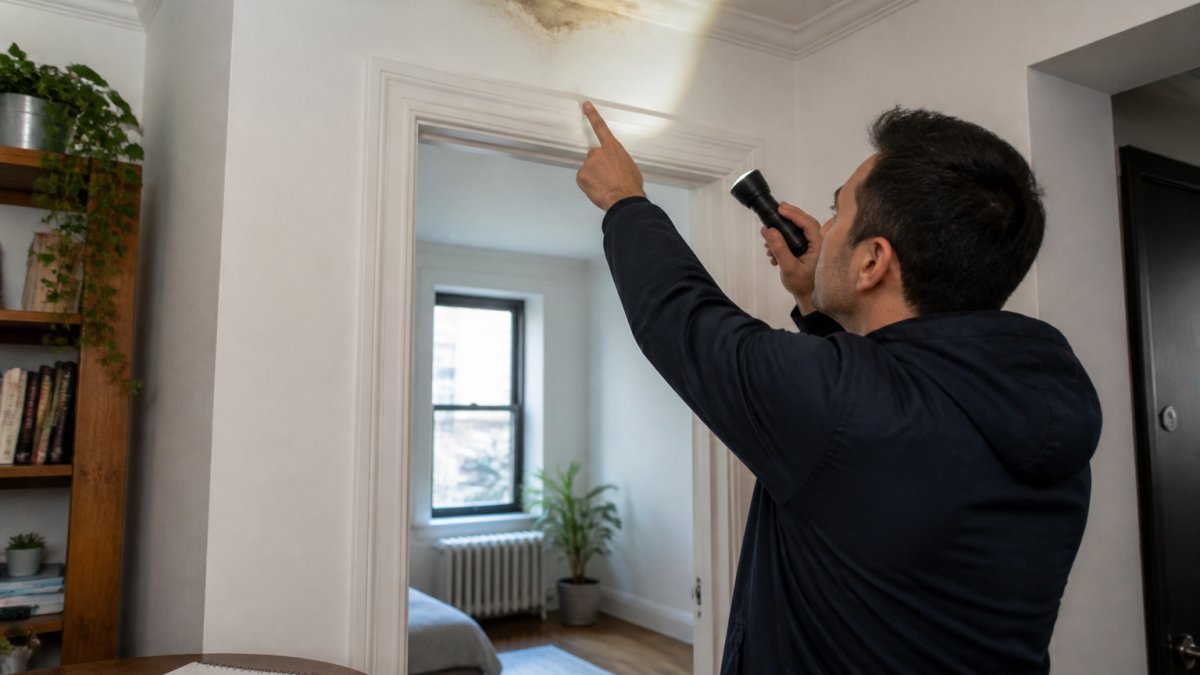
Water damage rarely announces itself. A pipe drips inside a wall for weeks. A shower pan leak soaks into the subfloor. A roof leak creeps down through a ceiling cavity.
That delay is what makes hidden water damage so costly. The sooner you catch it, the smaller the repair.
Below, we break down eight signs worth acting on, how to inspect each room, and what to do the moment you find something.
Stains, Odors, and Finishes That Give It Away
Some signs of hidden water damage are visible. You just have to know where to look.
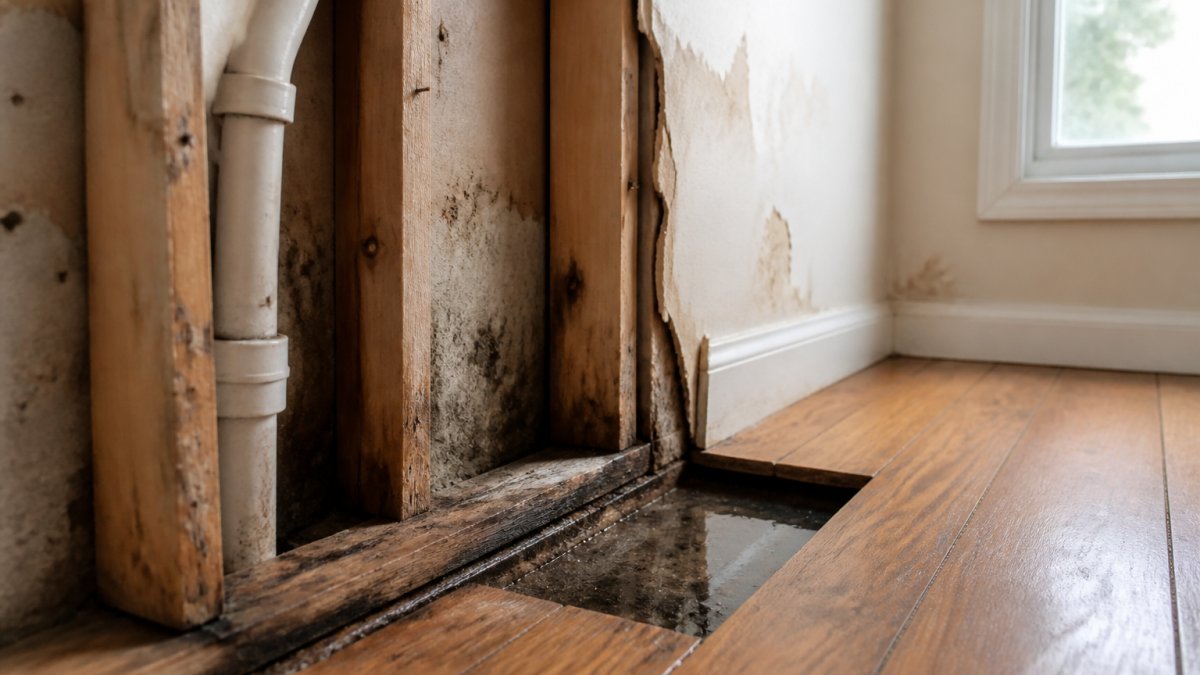
1. Water stains on ceilings and walls. Look for rings, brownish patches, or yellowish discoloration.
2. Peeling or bubbling paint and wallpaper. Paint that bubbles or flakes without a clear cause usually means excess moisture behind it. Wallpaper can peel at the seams for the same reason.
3. A musty or mildew-like odor. A damp, earthy smell that won't go away is one of the most reliable signs of moisture buildup.
**4. For more on spotting mold after a fire, see our guide to the signs of hidden mold after smoke damage.
Structural Clues: Warping, Cracks, and Damp Surfaces
Structure tells the story when finishes don't.
**5.
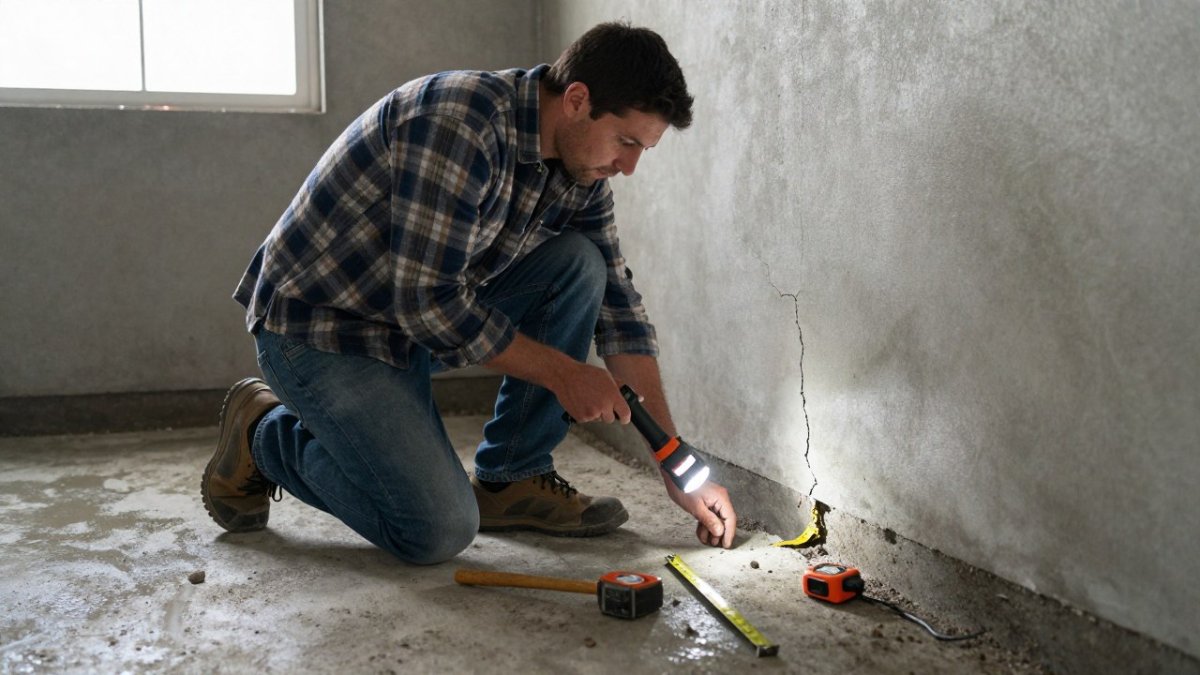
6. Cracks that keep coming back. Hairline cracks near ceilings or above doorframes can signal movement from moisture. A crack that reappears after patching deserves a closer look.
7. Damp or cool-to-the-touch surfaces. Run your hand along walls near plumbing fixtures. A cool, damp spot on an otherwise dry wall is a strong clue.
8. Drips, slow leaks, and recurring moisture. A slow leak under a sink or a drip you keep wiping up is water intrusion in progress.
How to Check for Hidden Water Damage Room by Room
The best way to check for hidden water damage is a systematic walk-through. Work room by room with a flashlight and a notepad, and check the same spots in each space.
Here's the checklist we use:
- Bathroom: Check under the sink, around the toilet base, and along the shower pan or bathtub edges. Look for soft caulk and loose tile.
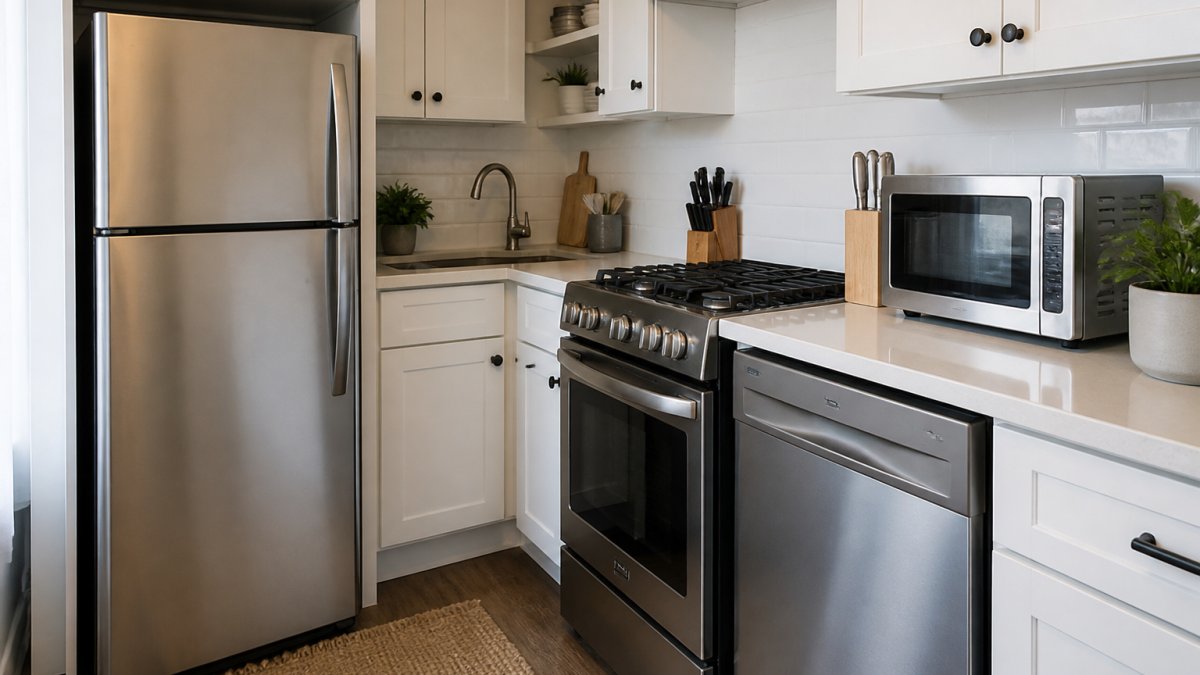
- Kitchen: Inspect under the sink, behind the refrigerator, and around the dishwasher. Look for warped cabinet bottoms.
- Bedrooms and living areas: Scan ceilings and walls for stains. Press along baseboards for a damp surface.
- Windows: Check sills and frames for peeling paint and moisture.
- Closets and utility spaces: Look for musty smell, mildew, and water damage behind walls near water heaters or HVAC units.
- Floors: Walk barefoot or press down to feel for soft spots and warped flooring.
Write down what you find and the date. That record matters later.
Here is the room-by-room checklist we use on a systematic walk-through.
| Area | What to check |
|---|---|
| Bathroom | Under sink, toilet base, shower pan or tub edges; soft caulk, loose tile |
| Kitchen | Under sink, behind refrigerator, around dishwasher; warped cabinet bottoms |
| Bedrooms and living areas | Ceilings and walls for stains; press baseboards for damp |
| Windows | Sills and frames for peeling paint and moisture |
| Closets and utility spaces | Musty smell, mildew, damage near water heaters or HVAC |
| Floors | Soft spots and warped flooring underfoot |
Telling an Active Leak Apart From an Old Stain or Condensation
Not every water stain means an active leak. Distinguishing the two saves you from panic and from ignoring a real problem.
Step 3, Feel the surface, not just the stain. Press a dry paper towel against the center and edges.
Step 4, Correlate with weather and building activity. A stain that darkens or reappears after heavy rain points to a roof, parapet, facade, or window-assembly leak.
Condensation vs. leak, the quick distinction. Condensation forms on cold surfaces (window glass, cold-water pipes, exterior-wall corners), wipes away easily, and returns only under specific temperature and humidity conditions.
If the stain is growing, the surface stays damp, or the odor returns after rain, assume active intrusion until a professional confirms otherwise. Our guide to emergency water damage repair covers the immediate response if the leak is spreading.
What to Do About a Water Leak in an Apartment
Act fast. The first 48 hours matter most for limiting damage and mold growth.
- Stop the water if you can. Shut off the nearest supply valve under the sink or toilet.
- Call your landlord or building manager right away. Report the leak and note the time.
- Move belongings away from the wet area and lift what you can off the floor.
- Document everything. Take photos and video before anything is moved or cleaned.
- Do not rip out walls or flooring yourself. Let a professional assess the moisture first.
If the leak is active and spreading, our guide to emergency water damage repair walks through the immediate response step by step. For a sense of how long drying and repairs take, see these water damage restoration timeline tips.
NYC Apartment Water Damage Tenant Rights
Renters have real protections when a landlord fails to fix a leak, but those protections only work if you build a clear record and escalate in the right order.
Document before you call. A phone call is not a record. Before you report, capture:
- Photos and video of every stain, damp patch, bubbling paint line, and warped surface, with a coin, ruler, or newspaper in frame for scale and a date visible.
- A written description of where the moisture is, when you first noticed it, and whether it changes with weather or neighbor activity.
- Any odor, mold, or soft-surface observations, noted in writing.
- The date and time of every call, email, text, and in-person conversation, plus the name of the person you spoke with.
Notify the landlord or managing agent in writing. Send an email or a written notice (keep a copy) that describes the problem, includes your photos, and asks for a repair timeline.
Escalate if repairs stall. If the landlord does not respond or the repair is inadequate, request an inspection through the city's housing agency. In New York, that means filing a complaint with the Department of Housing Preservation and Development (HPD), typically through NYC311, which can send an inspector and issue a violation if the condition violates the housing maintenance code (Apartment Maintenance Complaint).
Do not withhold rent without legal guidance. Rent withholding and repair-and-deduct remedies exist in New York, but the rules are specific and getting them wrong can expose you to an eviction case.
For the official rules, check the NYC housing maintenance code and tenant rights guidance from the state. These outline what counts as a violation and how to file a complaint. If the leak is active and spreading, treat it as an emergency repair request first and document second, our guide to emergency water damage repair covers the immediate response.
When to Call for Water Damage Restoration in NYC
Call a restoration professional when moisture has spread beyond a surface you can dry with a towel.
That includes water damage behind walls or ceilings, a musty smell that returns, visible mold, or warped structure. Restoration teams use moisture meters and thermal tools for leak detection and moisture inspection. See our water smoke and fire damage restoration page to learn what's offered and get help.
Delaying this step is the most common mistake we see. Small leaks become big repairs when moisture sits.
Our team handles both the assessment and the rebuild, so you are not coordinating multiple contractors.
Request a Free Estimate Before Small Leaks Become Big Repairs
The cheapest water damage is the kind you catch early. A damp spot today can mean a rotted subfloor or a mold problem in a few weeks.
At Allied Construction Corp, we inspect, document, and repair water damage across apartments, homes, and commercial spaces. Our licensed team handles everything from leak assessment to full restoration, and we manage the project from start to finish.
Don't wait for a stain to spread. Request a free estimate and get a clear plan before a small leak turns into a major repair.
Frequently Asked Questions
How can you tell if hidden water damage is behind a wall or ceiling?
Look for a water stain, bubbling paint, or peeling wallpaper, and press your palm against the surface to feel for a cool-to-the-touch area. A musty smell or mildew-like odor with no visible source usually points behind the finish. Hairline cracks that keep reappearing and warped panels are further clues. If the stain grows or feels damp after rain, treat it as an active leak and document it with dated photos before contacting your landlord.
What should a tenant do after finding water damage in an apartment?
Photograph and date everything, then notify your landlord in writing so there is a record of the report. Move belongings away from the wet area and, if the leak is active, shut off the nearest supply valve or call the building super. Keep receipts for anything you replace. Under NYC apartment water damage tenant rights, your landlord must make repairs within a reasonable time, and you can escalate to 311 or the housing court if they do not.
Does renters insurance cover water damage from a leak?
Renters insurance typically covers damage to your personal property from a sudden event such as a burst pipe or a neighbor's overflow, but it usually excludes gradual leaks and moisture buildup the tenant should have reported. Keep a dated inventory and photos of your belongings. If a slow leak went unreported for weeks, the claim is likely to be denied, so report any damp spot or musty smell to your landlord as soon as you notice it.
When should you call a water damage restoration professional?
Call a professional when water has been sitting for more than 48 hours, when mold growth or a mildew-like odor has appeared, or when warped flooring and soft drywall suggest water damage behind walls. A moisture inspection with meters can confirm what a visual check cannot. Restoration crews dry the structure, remove compromised material, and document the scope, which matters if you need to file a claim or prove the landlord was notified.
Water damage hides well, but it leaves clues. Check your apartment seasonally, document what you find, and call for help the moment moisture stops being a surface problem. Allied Construction Corp is ready to inspect, restore, and rebuild, with licensed crews, clear project management, and restoration work built to last. Get started with Allied Construction Corp and protect your property before the next leak spreads.