 Listicle
7 Signs It's Time for a Whole House Renovation
Last Updated: October 25, 2026
Quick Summary
A whole house renovation is time when your home shows multiple signs of aging or failure across systems and spaces, such as foundation cracks, roof leaks, worn flooring, outdated kitchens and bathrooms, or a layout that no longer fits your family's needs. If you're checking five or more items on a whole-home assessment checklist, a whole house renovation is likely the most cost-effective path forward.
- Foundation cracks, bowing walls, and uneven floors signal serious structural problems that cascade through the entire property if ignored.
- Water damage, roof leaks, and mold growth worsen with every rain cycle and usually indicate multiple failures requiring coordinated repair.
- A whole house renovation typically takes 4-6 months for moderate scope, stretching to 8-12 months for complex projects.
- Most homeowners finance whole house renovations through cash-out refinance, home equity loans, HELOCs, or FHA 203(k) renovation loans.
- Reserve 15-20% of your renovation budget as contingency for unexpected discoveries like outdated wiring or failed plumbing.
Table of Contents
- Your Home's Foundation and Structure Are Showing Their Age
- Water Damage, Leaks, and Roof Deterioration Are Becoming Frequent Problems
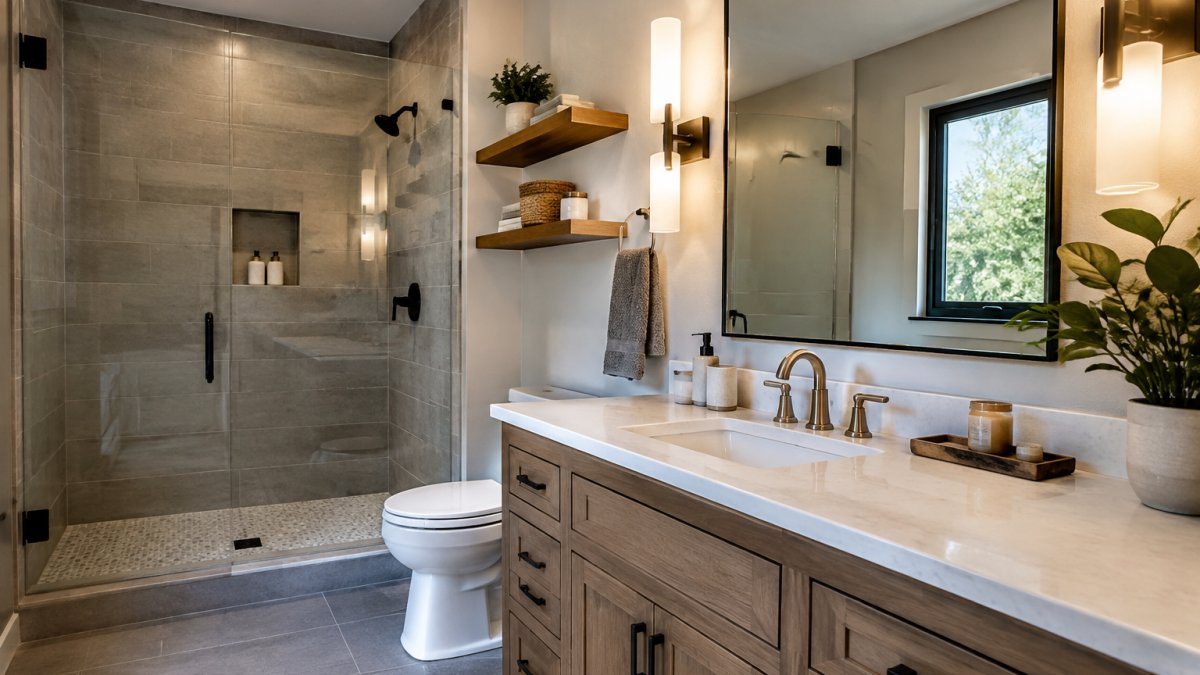
- Kitchens and Bathrooms No Longer Fit Your Lifestyle
- Your Home's Layout Wastes Space and Doesn't Match Your Family's Needs
- Flooring, Finishes, and Surfaces Are Worn Beyond Repair
- Building Your Whole-House Renovation Checklist
- Renovate or Move: Comparing Cost, Timeline, and Emotional Value
- Understanding Whole-House Renovation Cost and Timeline
- Frequently Asked Questions
Your Home's Foundation and Structure Are Showing Their Age
Your home's foundation and structure are the backbone of everything built on top.
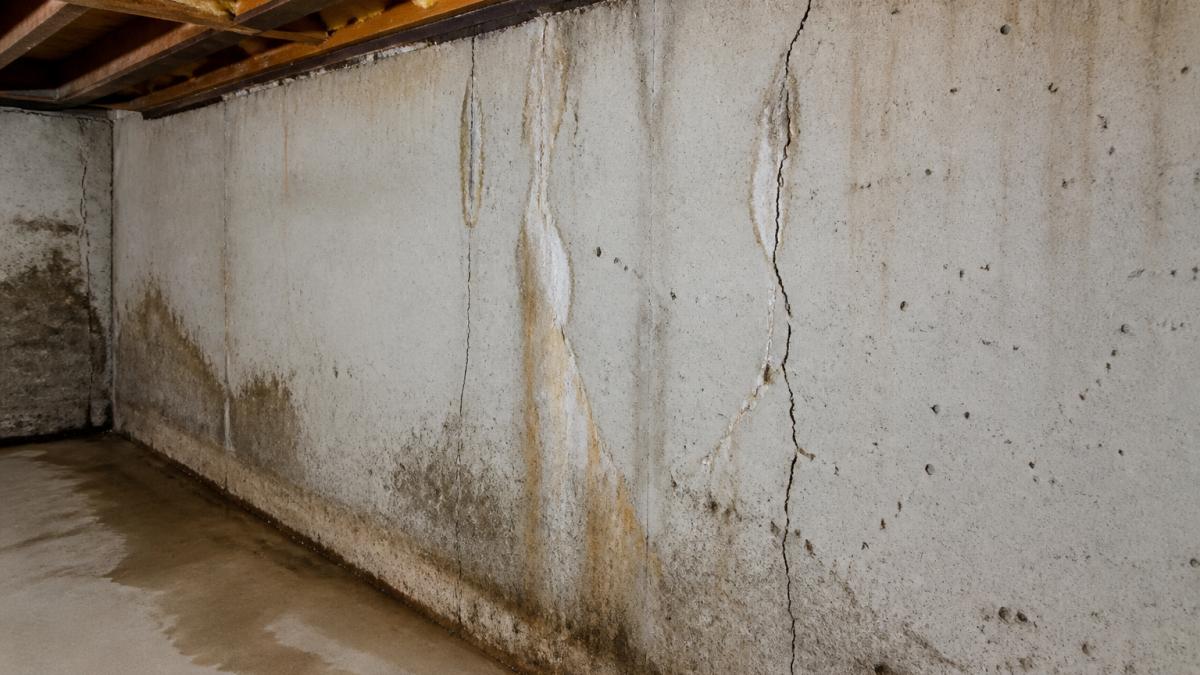
Homeowners often notice these issues gradually, a crack here, a sticking door there.
If you're seeing signs of foundation problems, a whole house renovation becomes less of a "nice to have" and more of a necessity.
Water Damage, Leaks, and Roof Deterioration Are Becoming Frequent Problems
Water is a home's worst enemy. A leaking roof, rotting underlayment, or failed gutters create cascading damage through walls, ceilings, and attics. By the time you see ceiling stains, the damage behind the walls is often far worse.
Frequent roof leaks, water damage in the basement, or visible mold growth are red flags that a whole house renovation is overdue. They worsen with every rain cycle. The U.S. Environmental Protection Agency guidance on water damage emphasizes that moisture control is critical to preventing structural decay and health hazards (the EPA).
Recurring water problems usually mean multiple failures at once: a failing roof, compromised flashing, poorly draining gutters, or a foundation that isn't shedding water.
At Allied Construction Corp, we've seen countless homes where water damage was the catalyst for a full renovation. Once the water intrusion is stopped and the damage is restored, homeowners often discover they want to upgrade the spaces that were affected. Learn more about our water, smoke, and fire damage restoration services.
Kitchens and Bathrooms No Longer Fit Your Lifestyle
Kitchens and bathrooms wear out faster than other rooms because they're used constantly. Worn cabinets, outdated counters, failing plumbing, and cramped layouts become daily frustrations, legitimate signals that it's time to act.
If your kitchen and bathroom are both aging at once, the rest of your home usually is too, outdated finishes, worn flooring, and tired fixtures tend to age together.
This is often the moment homeowners decide to do a whole house renovation instead of room-by-room updates. You get consistent design, modern systems throughout, and the chance to address inefficiencies that isolated remodels can't touch. Explore our kitchen remodeling services and bathroom remodeling options to see how we approach these spaces as part of a larger vision.
Your Home's Layout Wastes Space and Doesn't Match Your Family's Needs
A home's layout reflects the family it was built for.
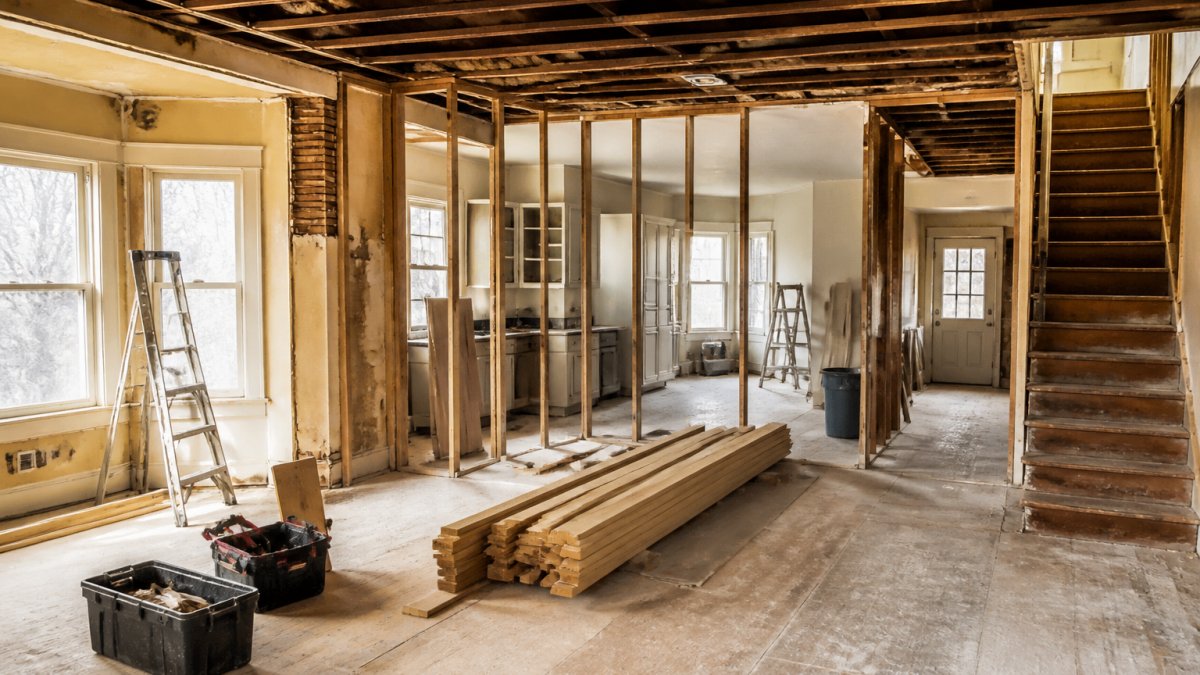
Wasted space and poor functionality are exactly what a whole house renovation can fix. You're not just updating finishes, you're reimagining how the home flows, whether that means removing walls, adding a home office, reconfiguring the kitchen, or creating dedicated storage.
The key insight: if you're frustrated by your home's layout multiple times per week, a whole house renovation that addresses space planning becomes an investment in daily quality of life, not just property value.
Flooring, Finishes, and Surfaces Are Worn Beyond Repair
Worn flooring, peeling paint, cracked tiles, and deteriorating finishes signal that your home is aging. When multiple surfaces show wear, spot repairs stop making sense, you patch the kitchen floor, then the bathroom floor fails, then the living room hardwood buckles.
A whole house renovation lets you replace all these surfaces at once with consistent, modern materials. You choose finishes that match your style and can handle the wear your family creates.
Building Your Whole-House Renovation Checklist
Before committing to a whole house renovation, assess your home systematically. Use this checklist to identify which systems and spaces need attention:
- Foundation: Any visible cracks, bowing walls, uneven floors, or water intrusion?
- Roof: Are there leaks, missing shingles, or visible deterioration?
- Plumbing: Do you have slow drains, water pressure issues, or visible corrosion?
If you're checking five or more boxes, a whole house renovation is likely the most cost-effective path forward.
Here are the key systems and spaces to assess when deciding if a whole house renovation is needed.
| System or Space | Signs of Wear or Failure | Impact |
|---|---|---|
| Foundation | Visible cracks, bowing walls, uneven floors | Cascading structural damage throughout property |
| Roof | Leaks, missing shingles, visible deterioration | Water damage behind walls, mold growth |
| Plumbing | Slow drains, water pressure issues, corrosion | Recurring failures, water intrusion |
| HVAC | Over 15 years old, fails to regulate temperature | Inefficient heating and cooling |
| Kitchen and Bathrooms | Outdated cabinets, failing fixtures, cramped layout | Daily frustration, aged finishes throughout home |
| Flooring and Finishes | Worn surfaces, peeling paint, cracked tiles | Spot repairs become ineffective across rooms |
| Windows and Doors | Drafty, difficult to open, visibly aged | Energy loss, functional problems |
Renovate or Move: Comparing Cost, Timeline, and Emotional Value
The decision between renovating and moving is personal but not purely emotional. Comparing transaction costs, construction disruption, and long-term fit makes the choice clearer.
The Real Cost of Moving
Selling and buying carries transaction costs that are easy to underestimate. On the sell side: real estate commissions (typically 5-6%, negotiable and shifting), closing costs, and pre-listing repairs.
That figure matters because it is the hurdle a renovation must clear. If your renovation budget is less than the round-trip cost of moving, renovating is often the financially superior path even before you account for the value added.
The Real Cost of Renovating
A whole house renovation typically takes 4-6 months for a moderate scope, stretching to 8-12 months for complex or larger projects. You'll face disruption and may need temporary housing, but you keep your location, lot, neighbors, and community, and emerge with a home configured to your needs.
A Decision Framework
Use these questions to structure the choice:
- Do you love the location? If the answer is no, wrong school district, wrong commute, wrong neighborhood, renovation will not fix that. Moving is the only solution.
- Is the lot or structure fundamentally wrong? A renovation can reconfigure interior space, but it cannot add acreage, change a steep lot, or fix a floor plan constrained by lot lines. If the bones are wrong, moving is usually better.
- Is the renovation cost less than the round-trip cost of moving plus the price premium of a comparable home? Run the numbers. If renovating costs $150,000 and moving to an equivalent home costs $40,000 in transaction fees plus a $200,000 price difference, renovation wins on cost.
- Can you tolerate 4-12 months of disruption? If not, and if temporary housing is not feasible, moving may be the lower-stress path even at higher cost.
- What is the resale trajectory of your current home? If your home is already at the top of its neighborhood's price ceiling, a major renovation may not recoup its cost at resale, but it may still be worth it for quality of life. Be honest about which motive is driving the decision.
The Emotional Dimension
For many homeowners, the deciding factor is emotional. Love your location, neighborhood, and lot? Renovation usually wins. Feel stuck in the wrong house and neighborhood? Moving may be better.
The financial case often favors renovation when the location is right and the structure is sound, but every situation differs. Run the numbers for your market and property, and talk to a lender and contractor before committing.
Understanding Whole-House Renovation Cost and Timeline
Understanding what drives cost, how long a whole house renovation takes, and how to pay for it helps you plan realistically instead of relying on guesswork.
Cost drivers include the square footage of your home, the scope of work (cosmetic updates versus structural repairs), the quality of materials and finishes you choose, and your local labor market.
Pricing depends on quantity, scope, materials, and local market conditions. For a detailed estimate tailored to your home, request an estimate from Allied Construction Corp.
Budget and Contingency Planning
A common mistake is underestimating the budget. Learn strategies to avoid surprise costs during renovation.
Build contingency into your budget. A realistic approach reserves 15-20% of your total budget for unexpected discoveries. If nothing goes wrong, you've got money left over.
Be transparent with your contractor about your total budget. A good one will help you prioritize spending and find cost-conscious choices that don't sacrifice quality.
Financing Options to Consider
Most homeowners do not pay for a whole house renovation in cash. Common financing paths include:
- Cash-out refinance: Replaces your existing mortgage with a larger loan and gives you the difference in cash. Works best when you have substantial equity and today's rates are competitive with your current loan.
- Home equity line of credit (HELOC): A revolving line of credit secured by your home. Useful when the scope may grow, because you draw only what you need. Rates are typically variable.
- Home equity loan: A fixed-rate, lump-sum second mortgage. Predictable payments, but you pay interest on the full amount from day one.
Compare total borrowing cost, not just the interest rate, closing costs, appraisal fees, and prepayment penalties can swing the math. A lender or HUD-approved housing counselor can help you compare options.
Return on Investment: A Balanced View
Renovation ROI is often oversold. Cost-versus-value data consistently shows most whole-house projects don't return their full cost at resale; major kitchen and bathroom remodels typically recoup a majority but not all, varying by market and year.
That doesn't make renovation a bad decision. The case for a whole house renovation usually rests on resale value, avoided deterioration costs, lower utility bills from modern systems and insulation, and the daily quality-of-life gain of a home that fits your family.
Whole-House Renovation Timeline and Living Arrangements
A whole house renovation typically takes 4-6 months for a moderate-scope project. Complex work, custom elements, or larger homes can stretch timelines to 8-12 months. The timeline depends on the scope of structural work, availability of materials, and how quickly inspections and permits move through the local system.
Living in your home during renovation is possible but challenging, dust, noise, and restricted access to bathrooms and kitchens create daily disruption. Many families relocate temporarily with family, a short-term rental, or a hotel.
A professional contractor will establish a realistic timeline upfront and communicate changes promptly. At Allied Construction Corp, we prioritize clear scheduling and minimize disruption, a whole house renovation is a major undertaking, and we work to make the process as smooth as possible.
Frequently Asked Questions
How do you know when it's time for a whole house renovation?
You're ready for a whole house renovation when multiple systems show age simultaneously: foundation cracks, persistent water damage, outdated kitchens and bathrooms, poor space flow, and worn flooring throughout. Rather than patching individual problems, a whole-house renovation addresses all these issues at once, improving safety, functionality, and comfort. If your home is 20+ years old and you're considering staying long-term, a comprehensive assessment helps determine whether targeted repairs or full renovation makes financial sense.
Should you renovate a whole house at once or room by room?
Whole-house renovation offers efficiency: contractors work continuously, trades don't remobilize, and you avoid disruption across multiple phases. Room-by-room remodeling spreads costs over time but extends timelines and may cost more due to repeated setup and scheduling. Your choice depends on budget availability, how long you can tolerate construction, and whether your home has interconnected systems (plumbing, electrical, HVAC) that benefit from simultaneous upgrades. A professional assessment reveals which approach saves money and time for your specific situation.
How long does a whole-house renovation typically take?
Whole-house renovation timelines range from 4 to 12 months depending on scope, size, and complexity. Full gut renovations with structural work take longer than cosmetic updates. Permits, inspections, and material delays add weeks. Living arrangements, whether you stay in the home, relocate temporarily, or move out entirely, affect scheduling. Your contractor should provide a detailed whole-house renovation timeline with contingency buffers and clear milestones. Communication and planning upfront prevent surprises and keep the project on track.
Should you renovate your home or move to a new one?
The renovate or move decision depends on emotional attachment, financial position, market conditions, and your home's bones. Renovation makes sense if your foundation and structure are sound, you love your location, and the cost stays below 25-30% of your home's value. Moving suits you if major structural repairs are needed, you want a different layout or location, or renovation costs approach home value. Consider return on investment, but also comfort and lifestyle fit, some upgrades reward you emotionally even if resale value doesn't fully recover the expense.