 How-to
Bathroom Renovation Savings: 9 Ways to Cut Costs Without Cutting Quality
Quick Summary
Bathroom renovation costs drop most when you keep the existing layout, so plumbing and electrical stay where they are, and when you price each project scope separately. Build a contingency into the budget, and set a realistic allowance for hidden problems such as subfloor rot or water damage.
- Moving plumbing, drains, or electrical circuits is among the biggest cost drivers.
- Keep toilet, tub, and vanity locations to reduce plumber and electrician work.
- Set aside a contingency in your own account, not the contractor's draw schedule.
- Request itemized bids so you can compare scope, labor hours, and exclusions.
- Save on accessories, paint, and stock vanities; splurge on waterproofing and ventilation.
Table of Contents
- How to Save on Bathroom Renovation Costs: Where the Money Really Goes
- Use a Bathroom Remodel Cost Calculator to Build a Realistic Budget
- Keep the Existing Layout and Avoid Moving Plumbing and Electrical
- What a Small Bathroom Remodel Cost Looks Like by Project Scope
- Labor Cost to Remodel a Bathroom and How to Reduce It
- Where to Save and Where to Splurge on a Bathroom Renovation
- Booking Your Bathroom Renovation Plan With Allied Construction Corp
- Frequently Asked Questions
How to Save on Bathroom Renovation Costs: Where the Money Really Goes
Bathroom renovation costs are among the most underestimated line items in a home remodel. Homeowners in Nassau, Suffolk, and New York City often plan their budgets around fixtures and tile, then get surprised by labor, plumbing, and waterproofing. Most of the savings come from knowing where the money goes before work starts.
A bathroom renovation is the process of updating or replacing the fixtures, surfaces, and systems in a bathroom.
The biggest cost drivers are usually the same. Layout changes that move pipes or drains raise the price fast. So do large tile areas, custom glass, and custom vanities. Labor often runs close to or above the cost of materials, so every change that adds trade work adds money. You can review what a bathroom remodeling service includes before comparing labor quotes.
- Moving plumbing or drains
- Relocating electrical circuits or fans
- Large-format tile and extensive waterproofing
- Custom glass enclosures and built-in cabinetry
Knowing these drivers lets you decide where to spend and where to hold back.
Use a Bathroom Remodel Cost Calculator to Build a Realistic Budget
A bathroom remodel cost calculator helps you turn a vague idea into a number you can plan around.
Calculators miss site conditions. Old subfloors, hidden water damage, and code upgrades can change the bill once walls open. Build a contingency into your budget to cover those surprises. A detailed guide to avoiding unexpected renovation costs explains how to plan for them.
Watch out: A low calculator estimate with no contingency often leads to a stalled project halfway through.
What the Calculator Output Should Look Like
Pricing depends on scope, materials, and site conditions. Contact Allied Construction Corp or visit our website for current pricing or a quote for your project.
Hidden-Cost Checklist Before You Sign
Open the walls in your head before demolition opens them for real. Walk through this list with your contractor and get each item priced as an allowance or a unit rate:
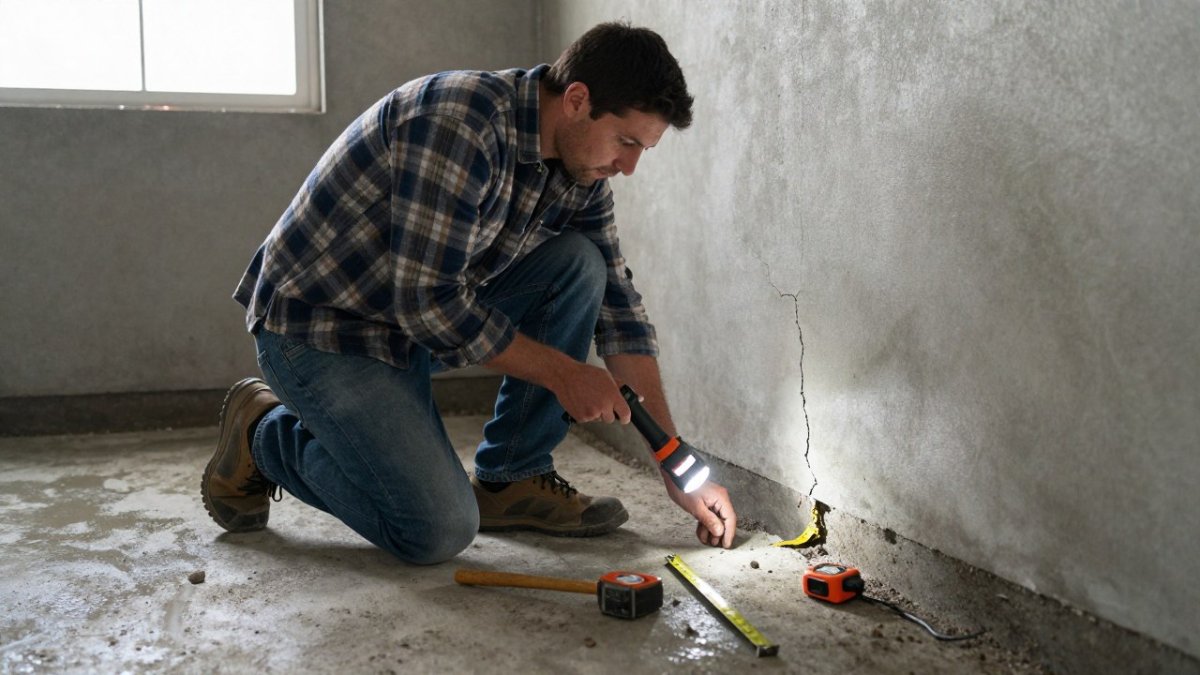
- Subfloor rot or deflection under tile
- Water damage behind the tub or shower surround
- Mold remediation and the clearance required after it
- Outdated wiring, missing GFCI protection, or an undersized exhaust fan
- Galvanized or polybutylene supply lines and cast-iron drain sections
- Improperly sloped drain lines or missing venting
- Lead paint or asbestos in older homes, which triggers regulated abatement
- Permit fees and inspection re-visits
Ask for allowances in writing. An allowance is a placeholder number the contractor budgets for an unknown item; if the actual cost comes in higher, you pay the difference. Set allowances close to realistic local pricing so the first change order is not a shock.
Build the Contingency Into the Contract
A contingency is worth setting aside, and where it sits matters. Keep it in your own account, not the contractor's draw schedule, so unspent money stays yours. Release it only against written change orders that show labor, material, and markup separately. If the project reaches the final walkthrough with contingency left, apply it to the punch list before final payment.
Keep the Existing Layout and Avoid Moving Plumbing and Electrical
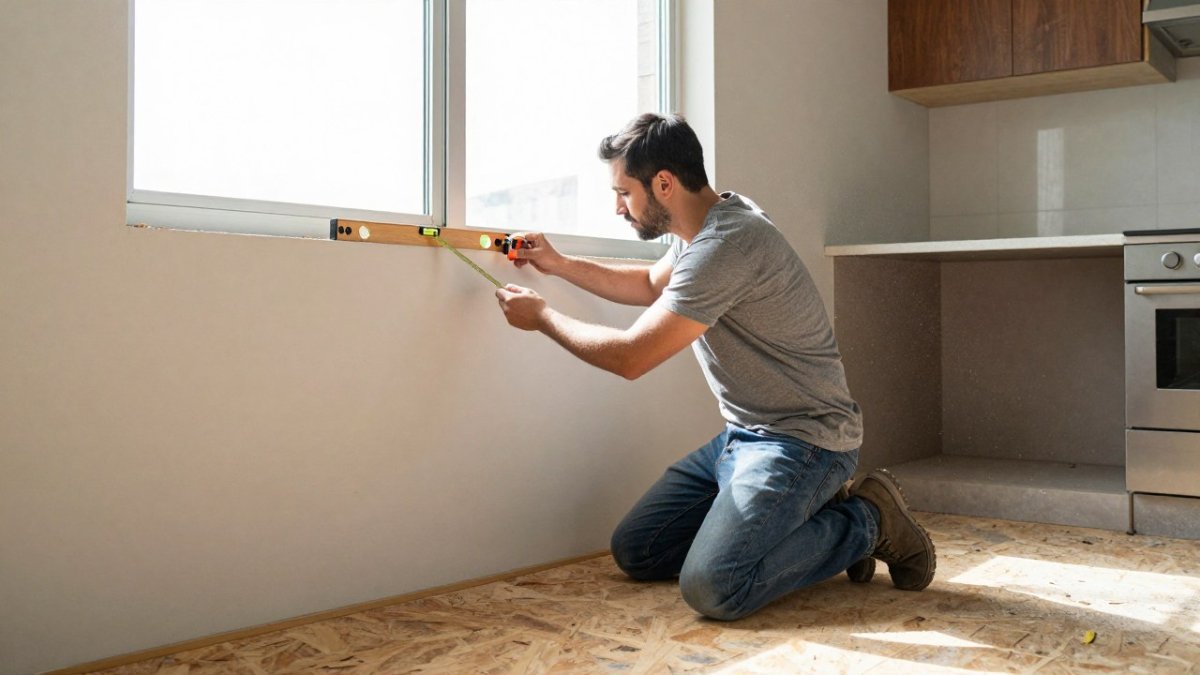
Keeping the existing layout is one of the most reliable ways to cut costs. When the toilet, tub, and vanity stay where they are, the plumber and electrician do less work. You avoid opening new routes through floors and walls.

A common mistake is falling in love with a layout that requires moving the shower drain three feet. That single change can add thousands of dollars in demolition and rough-in work. Sketch your current layout first and see how much can stay put.
- Replace fixtures in their current spots
- Keep the tub or shower location if possible
- Upgrade the look with finishes instead of structure
- Leave ventilation and electrical placement alone when you can
When you do need a layout change, ask your contractor to price it as a separate line item so you can weigh the cost against the benefit.
What a Small Bathroom Remodel Cost Looks Like by Project Scope
Project scope drives the price more than the room's square footage. A small bathroom can cost more than a larger one if it needs full waterproofing and new plumbing. Compare scopes instead of square feet.
A cosmetic refresh usually involves new paint, lighting, a faucet, and possibly a new vanity top. For a smaller room, you can see what a small bathroom remodel covers in Suffolk County. A mid-level remodel adds new tile, a tub or shower update, and a new vanity. A full remodel often includes layout changes, new plumbing and electrical, and custom finishes.
For budgeting, price each scope separately with your contractor so you can see exactly what each upgrade costs. Ask for itemized bids. Vague lump-sum quotes hide where the money goes and make change orders harder to control.
Labor Cost to Remodel a Bathroom and How to Reduce It
Labor is often one of the largest costs in a bathroom renovation. Plumbers, electricians, tilers, and general contractors each bill for their time, and sequencing mistakes add hours. Good planning reduces those hours. Careful sequencing also helps prevent bathroom remodel mistakes to avoid, since correcting them can add unnecessary labor and expense.
To lower labor costs, group trade work so each trade visits once. Have all materials on site before the crew arrives so no one waits. Choose fixtures and tile sizes that install easily. Simple layouts take less labor than complex ones.
- Schedule plumbing and electrical work together
- Order all materials before demolition starts
- Confirm the scope in writing to avoid rework
- Ask for a clear schedule and stick to it
DIY Versus Professional: A Task-by-Task Guide
The biggest labor savings come from doing the right tasks yourself and hiring out the rest. Use this breakdown as a starting point and confirm local permit rules before you pick up a tool.
Reasonable DIY tasks (low risk, low permit exposure):
- Demolition of tile, vanity, and fixtures after utilities are capped
- Hauling debris to a dumpster
- Painting walls, ceiling, and trim
- Installing a stock vanity and top after rough-in is complete
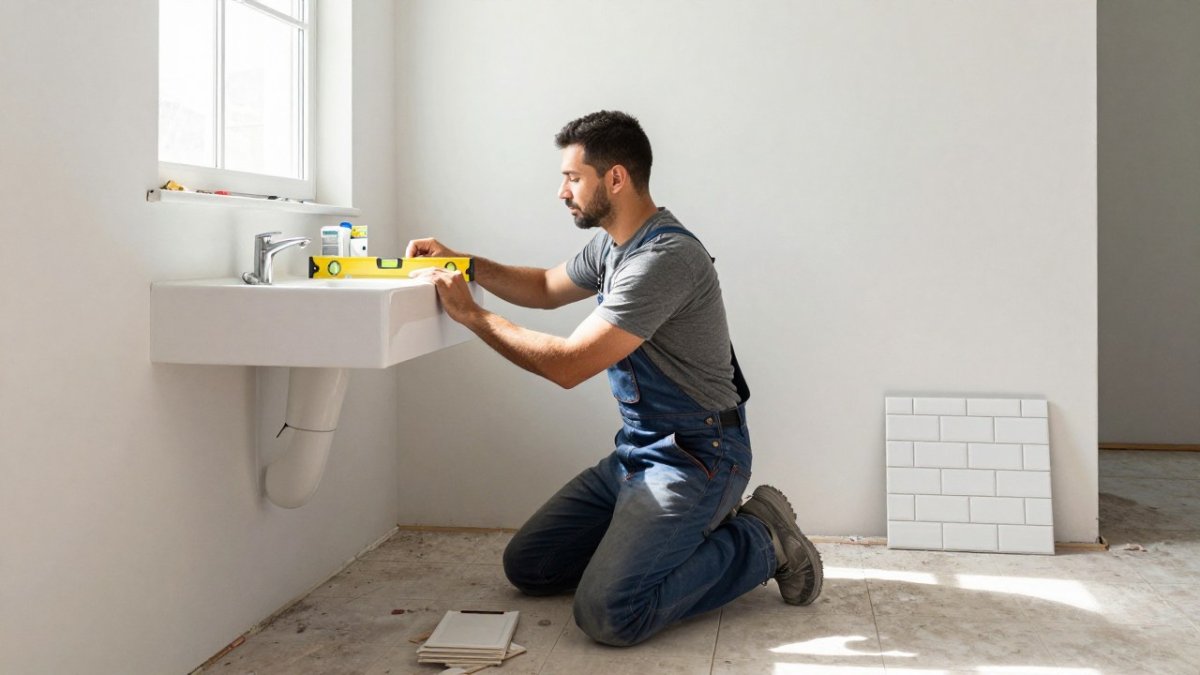
- Swapping a faucet, showerhead, or toilet on existing supply and drain locations
- Hanging mirrors, towel bars, and accessories
- Caulking joints and sealing grout
Tasks that usually require a licensed trade or permit:
- Moving or adding supply lines and drain lines
- Relocating or adding electrical circuits, receptacles, or exhaust fans
- Gas work, if any appliance is involved
- Structural changes such as widening a doorway or removing a wall
- Waterproofing a shower pan or wet area, where a failed membrane causes hidden damage
- Anything that triggers an inspection
Watch out:
How to Compare Contractor Bids Without Getting Burned
Bids are not apples to apples. A low bid often excludes items a higher bid includes. Compare every bid on the same checklist:
- Scope: what is included, and what is explicitly excluded
- Labor hours and crew size by trade
- Material brands, models, and quantities
- Allowances and how overages are billed
- Permit responsibility and who pays fees
- Schedule with start and completion dates
- Warranty terms on labor and on materials
- Payment milestones tied to completed work, not calendar dates
- Change-order process and markup percentage
Ask each contractor to price the same scope so the comparison is real. A bid that is 20 percent lower usually means something is missing, not that the contractor is more efficient.
Prevent Change Orders Before They Start
Change orders are where labor budgets break. Most come from decisions made after demolition. Lock in fixture models, tile selections, and layout before the first hammer swing. Photograph and measure the existing space, confirm rough-in dimensions against the new fixtures, and get the contractor to sign off on the selections list. Every change after that point adds labor hours and often a markup on top.
The task breakdown below shows which bathroom jobs are reasonable to DIY and which usually need a licensed trade or permit.
| Task | Who usually does it | Note |
|---|---|---|
| Demolition of tile, vanity, fixtures | DIY | After utilities are capped |
| Painting walls, ceiling, trim | DIY | Low risk, low permit exposure |
| Swapping faucet, showerhead, toilet | DIY | On existing supply and drain locations |
| Moving supply or drain lines | Licensed trade | Usually requires a permit |
| Adding or relocating electrical circuits | Licensed trade | Usually requires a permit |
| Waterproofing shower pan or wet area | Licensed trade | A failed membrane causes hidden damage |
Where to Save and Where to Splurge on a Bathroom Renovation
Some bathroom choices are worth paying more for, and others rarely matter. Spend where the work is hard to change later. Save where a change is cheap and easy.
Save on:
- Decorative accessories and towel bars
- Lighting fixtures that are easy to swap later
- Paint and wall color
- Stock vanities in standard sizes
Splurge on:
- Waterproofing and membranes behind tile
- Quality valves and shower hardware
- Proper ventilation fans
- Solid subfloor and structural repairs
Hidden work like waterproofing protects you from expensive damage. A cheap fixture you can replace in a weekend is a safer place to save.
Booking Your Bathroom Renovation Plan With Allied Construction Corp
A smart bathroom renovation starts with a clear scope, an itemized budget, and a contingency for surprises. Keeping your layout, choosing standard materials, and grouping trade work are common ways to manage costs.
When you are ready to move forward, request a free estimate from Allied Construction Corp to get an itemized plan for your project. Allied Construction Corp serves Nassau and Suffolk counties and all five boroughs, and we can walk through your options before you commit to any changes.
Frequently Asked Questions
What is a realistic budget for a bathroom remodel?
A realistic budget depends on project scope, fixture choices, and whether the layout stays the same. Cosmetic updates such as new fixtures, paint, and a refreshed vanity cost far less than a full gut renovation that moves plumbing or adds tile across every wall. Pricing varies with materials, labor, and access, so the most reliable number comes from a written estimate. Request a free estimate from Allied Construction Corp to see what your specific scope will cost in USD.
Can you remodel a bathroom for $5,000?
A $5,000 budget can cover a limited cosmetic refresh, such as new fixtures, a faucet, lighting, paint, or resurfacing select surfaces, but it rarely covers a full remodel with new tile, a new tub or shower, and updated plumbing. Whether a $5,000 plan is workable depends on bathroom size, the condition of existing components, and how much labor is involved. Allied Construction Corp can review your scope and let you know which improvements fit your budget.
Is it cheaper to keep the existing bathroom layout?
Keeping the existing layout is usually one of the biggest cost savings available. Moving toilets, drains, and supply lines requires additional plumbing work, rerouted electrical, and sometimes structural changes, all of which add labor and permitting. Keeping fixtures in their current locations lets the project focus on finishes and fixtures instead. Ask your contractor to compare a same-layout option against a reconfigured one before you commit.
How can you lower bathroom remodeling labor costs?
Labor is often the largest share of a bathroom renovation, so reducing scope is the most effective lever. Keeping the layout, limiting tile to wet areas, choosing in-stock fixtures, and completing tasks like demolition or painting yourself can lower labor hours. Get several written bids that itemize labor and materials so you can compare them directly. Allied Construction Corp can provide a detailed estimate to help you decide which tasks to handle yourself.